
By Dr Karuna Kumar, MD DNB Hematologist
Key Facts
- The blood type diet gained popularity in the 1990s but lacks strong clinical proof.
- Studies found no measurable link between diet results and blood group.
- Many people who follow this diet report feeling better mainly because they adopt healthier habits not because of their blood type.
- Personalized nutrition, guided by lab results and medical advice, remains the most effective approach for long-term health.
Many of my patients often ask me about the blood type diet — a popular belief that what you eat should depend on your blood group.
The idea sounds scientific at first glance, especially when you consider how blood influences metabolism, immunity, and nutrient absorption.
In this article, I’ll explain what the blood type diet actually is, what science says about it, and how you can make smarter nutrition choices for better blood health regardless of your blood type.
What Is the Blood Type Diet?
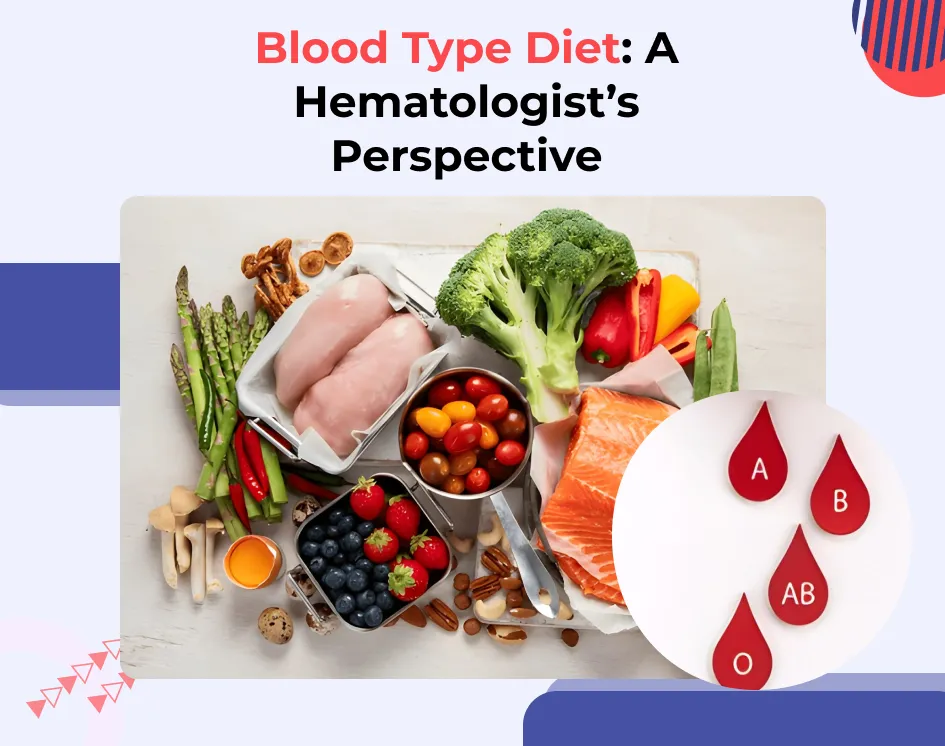
The concept of eating for your blood type became famous in the late 1990s after the book “Eat Right 4 Your Type” by Dr. Peter D’Adamo. It suggested that each blood group A, B, AB, and O processes food differently due to variations in lectins, which are plant proteins that can interact with blood cells.
Here’s a quick summary of what this diet proposes:
-
Type O: A high-protein, “hunter-style” diet with lean meats, fish, and vegetables.
-
Type A: A mostly plant-based, “agrarian” diet rich in fruits, vegetables, and whole grains.
-
Type B: A balanced mix including dairy, eggs, vegetables, and certain meats but avoiding wheat and lentils.
-
Type AB: A blend of A and B, focusing on seafood, dairy, and greens.
Supporters believe this diet can improve digestion, boost immunity, and reduce chronic disease risk.
But what does medical research actually say?
What research says about the blood type diet?
Over the years, scientists have examined whether eating for your blood type has any measurable health benefits and the consensus has been remarkably consistent.
A systematic review published in the American Journal of Clinical Nutrition found no evidence that following a diet based on blood type has any positive effect on blood pressure, cholesterol, or body weight (PubMed, 2013).
Another major investigation by the University of Toronto, published in PLoS ONE, analyzed thousands of participants who followed these diets. It found that while people eating more plant-based foods showed better cardiometabolic profiles, those benefits were seen across all blood groups — meaning they had nothing to do with the blood type itself (PMC, 2014).
Even mainstream scientific outlets such as ScienceDaily summarized these findings with the headline “Theory behind popular blood-type diet debunked”, citing lack of biological mechanism or clinical proof (ScienceDaily, 2014).
In short, while the blood type diet may sound personalized, the science doesn’t support a direct connection between what you eat and your blood group.
What do I tell my patients?
As a hematologist, I always encourage patients to focus on how the diet affects their blood health in real time, through energy levels, blood tests, and symptoms rather than following a generic template.
If eating according to your blood type motivates you to choose fresher, less processed foods, that’s already a win.
But remember, there’s no one-size-fits-all diet. Factors like iron absorption, thyroid health, blood sugar levels, and platelet function matter far more than your blood group when it comes to how food influences your health.
When patients ask me about the diet, I tell them this:
“There’s no harm in experimenting, but let your lab results, not your blood type — be your guide.”
Potential Benefits and Cautions
If you choose to try the blood group diet, here’s how to approach it responsibly.
Possible Benefits
- Encourages eating whole, unprocessed foods.
- Reduces refined sugar and fast food intake.
- Promotes awareness of food’s impact on your body.
Be Cautious If
- You’re eliminating major food groups like grains or dairy.
- You have conditions like iron deficiency anemia, hypothyroidism, or chronic fatigue.
- You’re pregnant, breastfeeding, or managing a metabolic disorder — always consult a doctor first.
How does diet actually affect blood health?
Regardless of blood type, your diet plays a critical role in blood cell formation, oxygen transport, and immune balance.
Here are universal nutrition principles I recommend:
- Iron-rich foods like spinach, lentils, and lean meats support red blood cell production.
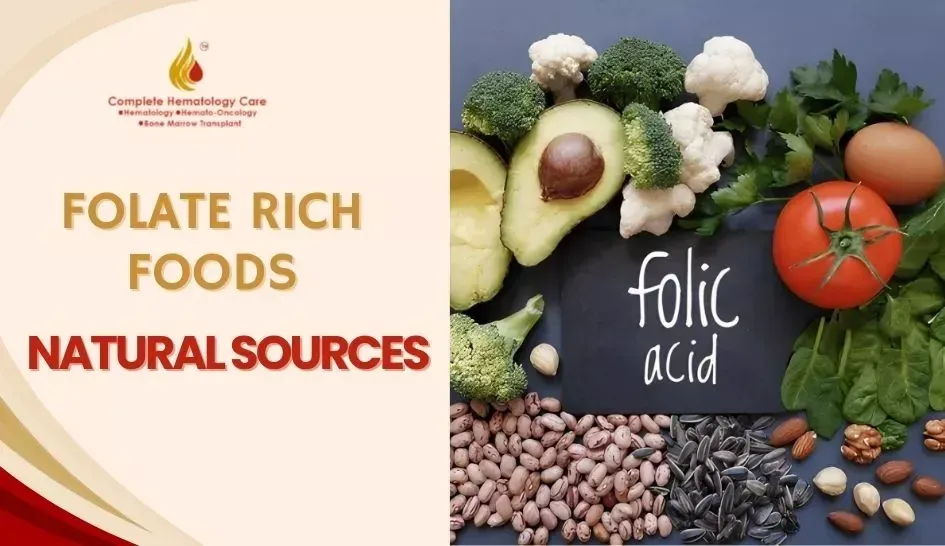
- Vitamin B12 and folate are essential for DNA synthesis and healthy blood cells.
- Hydration maintains proper blood viscosity and circulation.
- Limiting salt and added sugars helps prevent hypertension and inflammation.
Instead of focusing on the blood type label, think of it as eating for your blood function, supporting its quality, oxygen-carrying capacity, and regeneration.
When to see a hematologist?
You should consult a hematologist if you notice:
- Unexplained fatigue or frequent dizziness
- Recurrent infections or low immunity
- Persistent bruising or bleeding
- Irregular blood test results
- Chronic iron or B12 deficiency despite a balanced diet
Final Thoughts
The blood type diet highlights an important truth that nutrition and blood are closely linked.
But science tells us that your overall dietary pattern and nutrient balance matter far more than your blood type label.
If you’re curious about how your food choices are influencing your blood health, decode your blood reports and create a diet plan that actually works for your body.