
Feeling tired all the time? Struggling with unexplained headaches or brittle nails?
You might be experiencing symptoms of iron deficiency, a common but often overlooked condition. Iron is essential for carrying oxygen to your body’s cells, so when levels are low, it can wreak havoc on your health.
In this guide, we’ll explore everything you need to know about identifying iron deficiency symptoms.
Causes of iron deficiency
Iron deficiency occurs when the body does not have enough iron to meet its physiological needs. This can result from multiple factors, including inadequate dietary intake of iron-rich foods, poor absorption due to medical conditions such as celiac disease or inflammatory bowel disease, and chronic blood loss from menstruation or gastrointestinal bleeding.
Increased iron demand during periods of rapid growth, pregnancy, or recovery from illness can also contribute to deficiency when intake does not keep pace with the body’s needs.
Risk factors for iron deficiency
Certain individuals are more vulnerable to developing iron deficiency. Common risk factors include:
- Women of reproductive age due to menstrual blood loss
- Pregnancy and postpartum periods
- Infancy, childhood, and adolescence
- Vegetarian or vegan diets lacking adequate iron sources
- Frequent blood donation
- Gastrointestinal disorders affecting absorption
- Chronic medical conditions
Recognizing these risk factors allows for earlier screening and preventive care.
Impact of iron deficiency on health
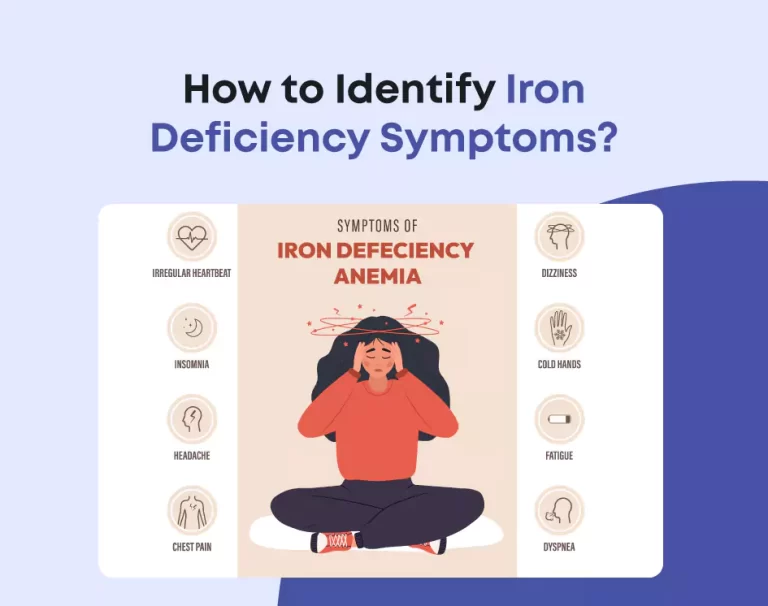
Untreated iron deficiency can progress to iron-deficiency anemia, a condition that affects oxygen delivery throughout the body. This may lead to:
- Persistent fatigue and weakness
- Pale skin and mucous membranes
- Shortness of breath
- Dizziness and headaches
- Reduced concentration and cognitive performance
In children, severe deficiency may impair physical and cognitive development. During pregnancy, it increases the risk of complications for both mother and baby.
Importance of early detection and treatment
Early identification and management of iron deficiency are essential to prevent long-term consequences such as reduced productivity, poor quality of life, and increased susceptibility to infections. Timely treatment can stop progression to anemia, which often requires more intensive medical intervention.
Proactive screening and early care ensure better health outcomes and faster recovery.
Common Symptoms of Iron Deficiency
Iron deficiency can present with a range of symptoms, which may vary in severity. Common signs include:
Fatigue and Weakness
Low iron levels reduce oxygen delivery to tissues, leading to constant tiredness and reduced stamina.
Pale Skin and Nail Beds
Decreased hemoglobin levels can cause noticeable paleness of the skin and nails.
Shortness of Breath
Even mild physical activity may trigger breathlessness due to insufficient oxygen transport.
Headaches and Dizziness
Reduced oxygen supply to the brain can result in frequent headaches or light-headedness.
Cold Hands and Feet
Poor circulation associated with low hemoglobin may cause cold extremities.
Subtle signs of iron deficiency
Iron deficiency may also cause less obvious symptoms that are often overlooked, including:
- Hair thinning or excessive hair loss
- Restless leg syndrome
- Brittle or spoon-shaped nails
- Pica (cravings for non-food items such as ice or clay)
- Cracks at the corners of the mouth (angular cheilitis)
While these signs may appear harmless, they often signal underlying iron deficiency, especially when combined with other symptoms.
When to seek medical care?
If symptoms suggest iron deficiency, consulting a healthcare professional is essential. Medical evaluation typically includes:
- Blood tests to assess iron and hemoglobin levels
- Identification of underlying causes
- Personalized treatment planning
- Ongoing monitoring and follow-up care
Early medical guidance helps ensure safe and effective management.
Keep in Mind
Iron deficiency is common but highly manageable when detected early. Understanding its causes, recognizing both obvious and subtle symptoms, and seeking timely medical care can prevent complications and support long-term health.
Listening to your body and acting early are key. With proper evaluation, treatment, and lifestyle adjustments, iron deficiency can be effectively controlled, allowing you to maintain optimal energy, focus, and overall well-being.