

Key Facts
- Blood clotting involves over 12 clotting factors, mostly produced in the liver
- Vitamin K is essential for proper clot formation
- Platelets are the first responders to injury
- Abnormal clots can cause strokes or heart attacks
- Clotting disorders can be inherited or acquired
Have you ever thought about how your body instantly reacts to stop bleeding after even a minor cut or injury?
This life-saving process is called blood clotting, and it’s vital for survival. Without it, even a minor wound could lead to excessive blood loss.
But what is responsible for blood clotting?
Let’s see the biology behind this protective mechanism, the key players involved, and what happens when things go wrong.
Blood Clotting Process (Hemostasis)
Blood clotting, also known as hemostasis, is a vital process that stops excessive bleeding when blood vessels are damaged. It involves a series of well-orchestrated steps that ensure clots form precisely where and when they’re needed.
Three Major Steps of Hemostasis
Vascular Spasm: Blood vessels constrict to reduce blood flow.
Platelet Plug Formation: Platelets stick to the injured area and form a temporary plug.
Coagulation (Clotting Cascade): A cascade of clotting factors activates to form a stable fibrin mesh.
Blood clotting involves over 12 clotting factors, most of which are proteins made in the liver.
What Is Responsible for Blood Clotting?
1. Platelets (Thrombocytes)
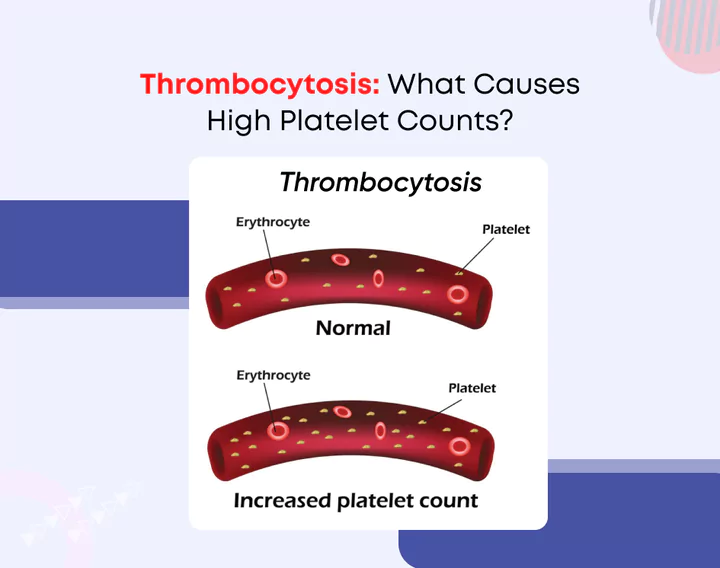
Platelets are small cell fragments in the blood that rush to the site of injury. When they encounter damaged tissue, they become sticky, clump together, and form a plug to seal small breaks in vessels.
- Normal platelet count: 150,000–450,000 per microliter of blood
- Platelets release chemical signals to recruit more platelets and activate clotting factors
2. Clotting Factors
Clotting factors are proteins found in blood plasma that function in a precise order called the clotting cascade, where each one activates the next in a chain-like reaction.
- There are 13 clotting factors (I to XIII)
- Most are produced by the liver
- Vitamin K is essential for the activation of several clotting factors
3. Fibrin Formation
The final step in the cascade is the conversion of fibrinogen (Factor I) into fibrin by the enzyme thrombin. Fibrin forms a mesh that stabilizes the platelet plug into a solid clot.
Vitamin K plays a key role in the synthesis of Factors II, VII, IX, and X.
What Causes Blood to Clot Normally vs Abnormally?
Normal Causes
- Cuts or injuries
- Surgical procedures
- Bleeding during menstruation
This natural response is tightly regulated to ensure clots form only when needed.
Abnormal Causes
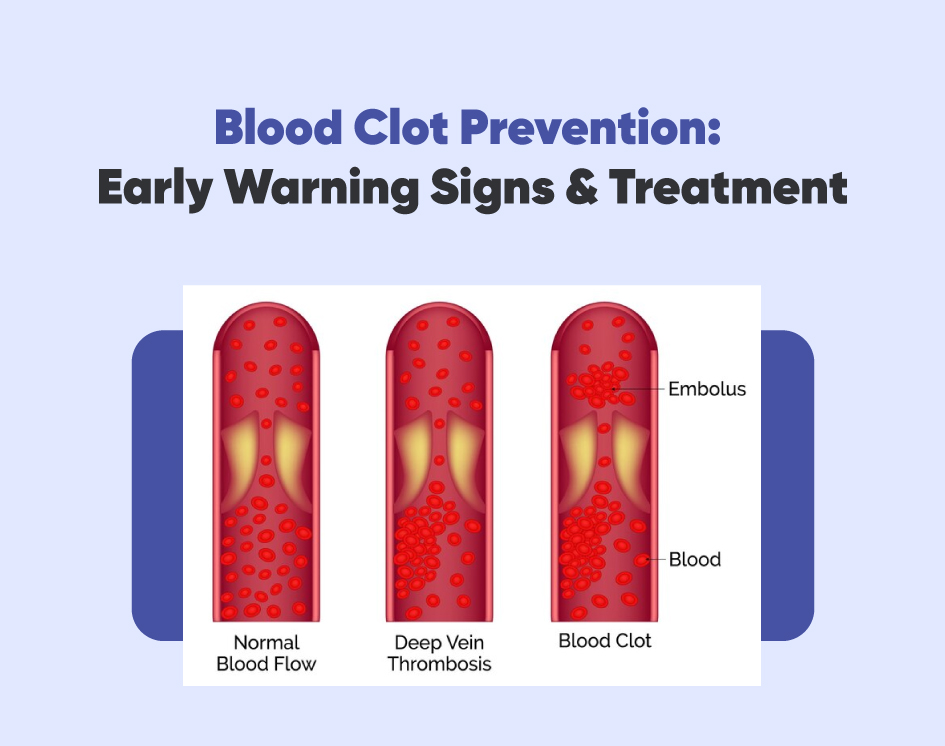
Blood clots that form without injury are known as thrombi and can be dangerous.
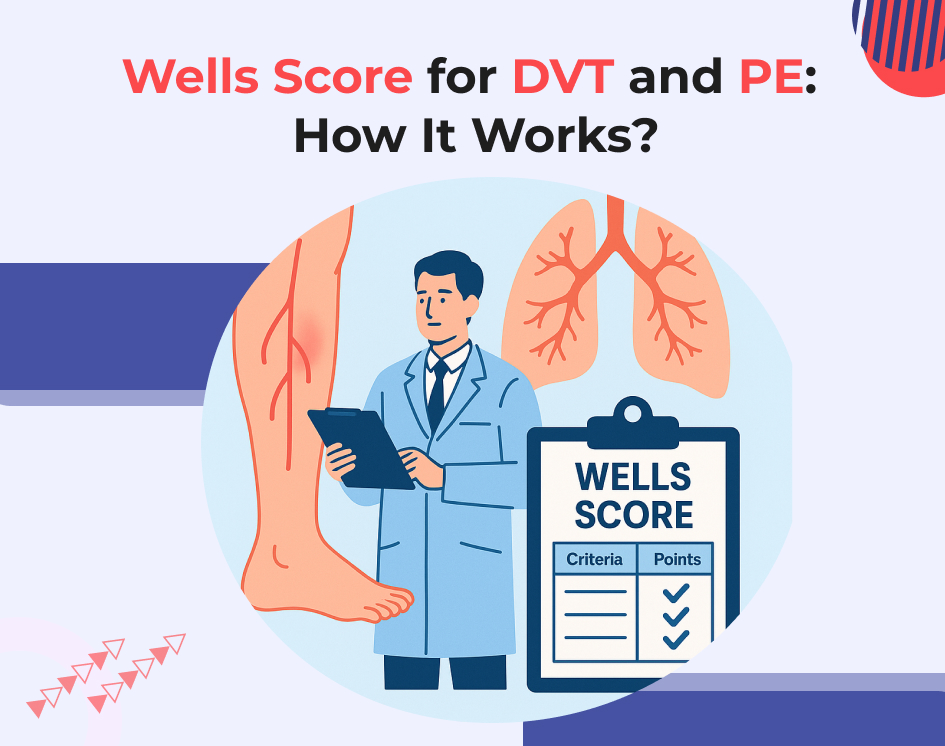
- Deep Vein Thrombosis (DVT): Clots form in the legs
- Pulmonary Embolism: Clot travels to the lungs
- Atrial Fibrillation: Irregular heartbeat may lead to clot formation
- Certain medications or cancers can increase clot risk
Common Clotting Disorders to Know
Hemophilia
- Inherited disorder where clotting factors (usually VIII or IX) are missing
- Leads to prolonged bleeding even with minor injuries
Von Willebrand Disease
- Most common inherited bleeding disorder
- It is caused by a deficiency or improper function of the von Willebrand factor.
Thrombophilia
- Increased tendency to form abnormal clots
- Example: Factor V Leiden mutation
Disseminated Intravascular Coagulation (DIC)
- Overactivation of clotting uses up all factors → leads to both clotting and bleeding
What Helps or Affects Blood Clotting?
Diet
- Vitamin K: Found in leafy greens like spinach, kale, and broccoli
- Omega-3 fatty acids: May reduce clotting by thinning the blood
Medications
- Anticoagulants: Warfarin, Heparin — slow clotting
- Antiplatelets: Aspirin — prevent platelet aggregation
Liver Health
- The liver produces most clotting factors
- Liver disease may impair clot formation
Lifestyle Factors
- Smoking, obesity, dehydration increase clotting risk
How Is Blood Clotting Tested?
Doctors may order blood tests to assess clotting ability:
- PT (Prothrombin Time)
- aPTT (Activated Partial Thromboplastin Time)
- INR (International Normalized Ratio)
- Platelet Count
These tests help monitor conditions like clotting disorders or the effectiveness of anticoagulant medications.
When to Seek Medical Attention?
See a healthcare provider if you experience:
- Easy bruising or unexplained bleeding
- Swelling and pain in the legs (DVT symptoms)
- Blood in urine or stool
- Frequent nosebleeds
- Family history of clotting or bleeding disorders
Conclusion
Blood clotting is an essential protective process that helps prevent excessive bleeding. It relies on a coordinated effort between platelets, clotting factors, and fibrin. However, both too much and too little clotting can lead to serious health problems. Understanding what is responsible for blood clotting can help you recognize warning signs, support your health, and know when to seek medical help.