

Noticing that your heart is beating faster than usual can be unsettling, especially when it happens without an obvious reason. While an increased heart rate can have many causes, including stress, caffeine, dehydration, thyroid problems, or heart rhythm changes, anemia can also make your heart beat faster or feel more noticeable.
When anemia is caused by iron deficiency, the blood carries less oxygen to the body’s tissues. The heart may then have to work harder to deliver enough oxygen where it is needed.
When Low Hemoglobin Makes the Heart Work Harder
Hemoglobin is the protein in red blood cells that carries oxygen around the body. When hemoglobin levels fall, less oxygen is delivered to the tissues.
The body tries to compensate in several ways, including increasing the heart rate and the amount of blood being circulated. This is why some people with anemia may notice a faster or more noticeable heartbeat, particularly during physical activity.
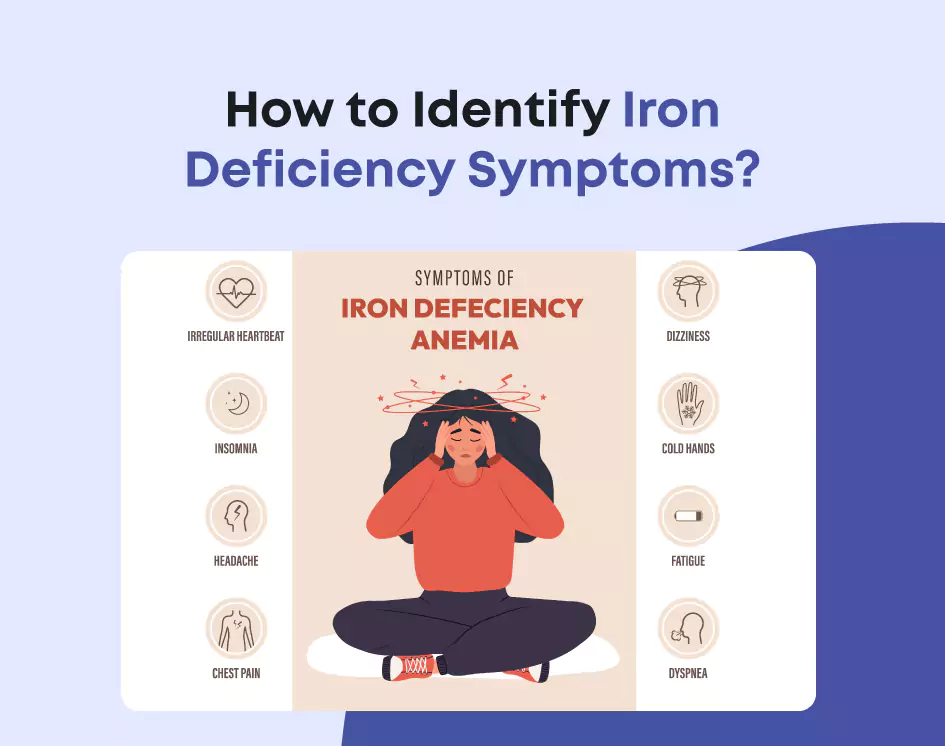
Other symptoms may include tiredness, weakness, breathlessness, dizziness, headaches, and pale skin.
The Sensation Can Be Different for Everyone
Some people describe their heartbeat as fast or pounding. Others notice fluttering or become unusually aware of their heartbeat.
It may happen while climbing stairs or exercising, but some people may notice it even while resting.
An increased heart rate is a symptom, not a diagnosis. Anemia is one possible explanation, but it is certainly not the only one.
A Blood Test Can Help Find the Cause
If an increased heart rate keeps happening, your doctor may recommend a complete blood count (CBC). This can show whether anemia is present and provide information about the red blood cells.
If anemia is detected, additional tests such as ferritin and other iron studies may help determine whether iron deficiency is responsible.
This distinction is important because not all anemia is caused by low iron. Vitamin B12 or folate deficiency, chronic medical conditions, blood loss, and other conditions can also lead to low hemoglobin.
Don’t Just Treat the Heart Rate
If anemia is causing the increased heart rate, simply focusing on the heartbeat without addressing the anemia will not solve the underlying problem.
Doctors also need to understand why the anemia developed. Heavy menstrual bleeding, pregnancy, inadequate dietary iron, poor absorption, and blood loss from the digestive tract are among the possible causes.
Once the underlying cause is identified, appropriate treatment can help restore hemoglobin and iron levels. As the anemia improves, symptoms such as tiredness, breathlessness, and an increased heart rate may improve as well.
Your Symptoms Can Offer Important Clues
Pay attention to when the increased heart rate occurs. Does it happen mainly with physical activity, or does it appear even when you are sitting quietly? Is it accompanied by unusual fatigue or breathlessness? These details can help your doctor understand whether anemia could be contributing.
Keeping track of when the episodes happen and any accompanying symptoms can also make your medical consultation more useful.
When an Increased Heart Rate Needs Urgent Attention
An increased heart rate can have many harmless causes, but some situations require prompt medical attention.
Seek urgent medical help if a fast or irregular heartbeat is accompanied by chest pain, significant breathlessness, severe dizziness, feeling faint, or actual fainting.
If these episodes keep returning, last for several minutes, occur while you are resting, or are becoming more frequent, it is also worth discussing them with your doctor.
Look Beyond Stress and Anxiety
Stress and anxiety can certainly increase your heart rate. But if the change keeps happening without an obvious explanation, it is worth looking at the bigger picture.
A simple blood test may reveal anemia or another condition that needs attention. If iron deficiency is found, the next step is not simply to replace iron but to understand why your iron became low in the first place.
An increased heart rate can have many explanations. Sometimes, the clue may be in the blood rather than the heart itself.