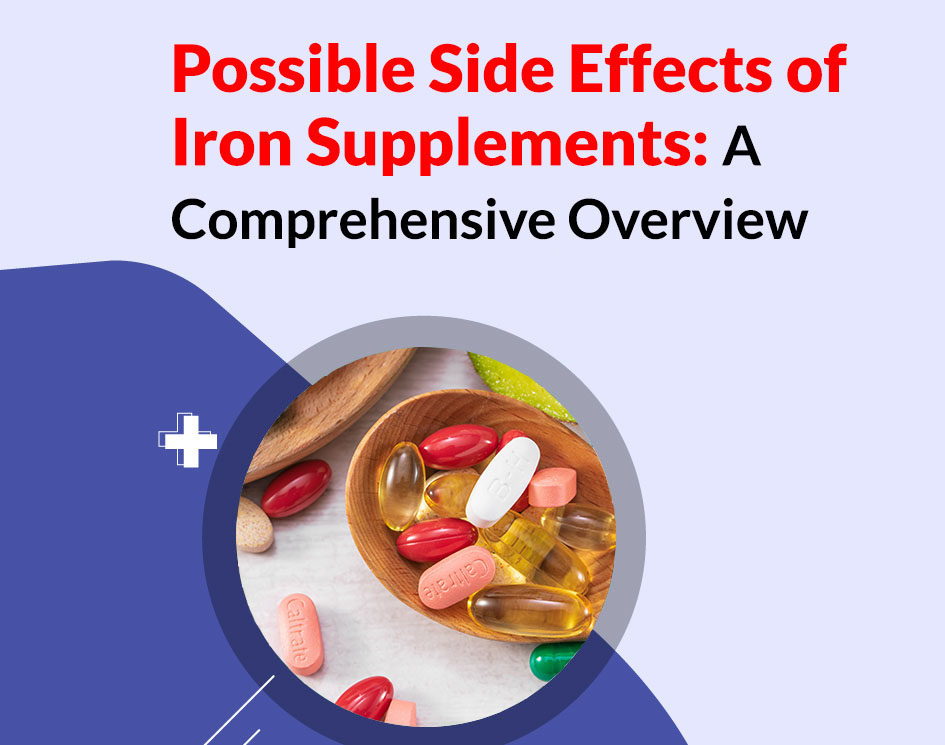

Iron is a crucial mineral that plays a vital role in our body’s functioning, aiding in the production of red blood cells and supporting optimal oxygen transportation. However, when individuals suffer from iron deficiency, doctors often recommend iron supplements to help restore proper iron levels.
While iron supplements are generally safe and effective, it is important to be aware of potential side effects. In this article, we delve into the possible side effects of taking iron supplements.
Gastrointestinal Disturbances
The most frequently reported side effects of iron supplements involve the digestive system.
These may include:
- Nausea
- Vomiting
- Constipation
- Diarrhea
- Abdominal discomfort
Iron can irritate the lining of the gastrointestinal tract, especially when taken on an empty stomach. To reduce discomfort, doctors may advise:
- Starting with a lower dose and increasing gradually
- Taking iron with food
- Switching to a different iron formulation if symptoms persist
Stomach Cramps and Abdominal Pain
Some people experience stomach cramps or abdominal pain after taking iron supplements, particularly with higher doses.
Taking iron along with meals or snacks often helps reduce this effect. Persistent or severe abdominal pain should be evaluated by a healthcare provider to rule out intolerance or other underlying issues.
Metallic Taste and Tooth Staining
Liquid iron supplements may cause:
- A metallic or unpleasant taste
- Temporary staining or discoloration of teeth
To minimize this:
- Dilute liquid iron with water or juice
- Use a straw when drinking liquid iron
- Rinse the mouth thoroughly after intake
- Maintain regular brushing and flossing
These measures help protect dental health while continuing supplementation.
Allergic Reactions (Rare but Serious)
Although uncommon, allergic reactions to iron supplements can occur.
Symptoms may include:
- Skin rashes or hives
- Itching or swelling of the face, lips, or tongue
- Difficulty breathing or chest tightness
Any signs of an allergic reaction require immediate medical attention.
Risk of Iron Overload
Iron overload happens when excess iron accumulates in the body. This is more likely when supplements are taken without confirmed iron deficiency or in individuals with conditions that increase iron absorption.
Excess iron can damage vital organs, including:
- Liver
- Heart
- Pancreas
This highlights the importance of medical supervision and blood testing before and during iron supplementation.
Interactions with Medications
Iron supplements can interfere with the absorption or effectiveness of certain medications, including:
- Some antibiotics
- Thyroid medications
- Parkinson’s disease medications (such as levodopa)
To avoid interactions, iron supplements are often taken at a different time of day from other medications. Always inform your doctor about all medicines and supplements you use.
When should you take iron supplements?
Iron supplements should only be taken:
- After confirmed iron deficiency through blood tests
- Under medical guidance
- At the recommended dosage
Self-medication or unnecessary supplementation increases the risk of side effects and iron overload.
Conclusion
Iron supplements play a critical role in treating iron deficiency and restoring healthy iron levels. However, like any medical intervention, they may cause side effects ranging from mild digestive discomfort to more serious complications if misused.
Understanding these potential effects and following professional guidance ensures safe, effective treatment. If side effects persist or worsen, consulting a healthcare provider is essential for adjusting dosage or exploring alternative options.