

When most people hear the words “blood cancer,” chemotherapy is often the first treatment that comes to mind. The thought alone can feel overwhelming, conjuring images of hair loss, nausea, fatigue, and prolonged hospital stays. However, a diagnosis of blood cancer does not automatically mean chemotherapy is required. In fact, for several types of blood cancers, chemotherapy may not even be the preferred treatment option.
One of the most common misconceptions among patients is the assumption that a blood cancer diagnosis automatically means months of grueling chemotherapy. That fear is completely understandable, but it is also increasingly outdated given how far treatment has advanced.
Blood Cancer Is Not One Disease
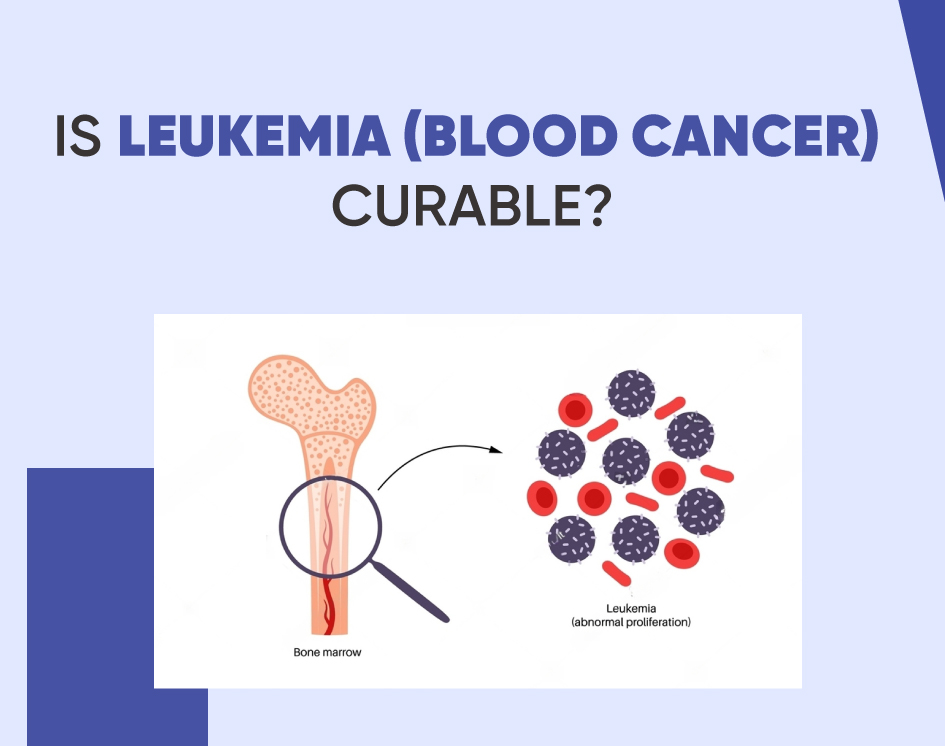
The term “blood cancer” covers a wide spectrum of conditions, including leukemia, lymphoma, myeloma, and myelodysplastic syndromes (MDS). Each of these conditions behaves differently, progresses at its own pace, and responds to very different treatments. Grouping them all under one treatment approach would be medically inaccurate.
For example, certain slow-growing lymphomas or leukemias, such as Chronic Lymphocytic Leukemia (CLL) in its early stages, may not require initial treatment. This approach, called “watch and wait” or active surveillance, involves regular monitoring without intervention. Many patients live comfortably for years without ever needing chemotherapy.
Targeted Therapy: Precision Over Poison
One of the most significant advances in blood cancer treatment over the past two decades is targeted therapy. Unlike traditional chemotherapy, which attacks all rapidly dividing cells, healthy and cancerous alike, targeted drugs are designed to focus specifically on the genetic mutations or proteins that drive cancer growth.
Drugs like imatinib for Chronic Myeloid Leukemia (CML) have transformed what was once a fatal diagnosis into a manageable condition for most patients. The medication is taken as a daily oral tablet and carries far fewer side effects compared to conventional chemotherapy.
Immunotherapy and Other Modern Options
Immunotherapy has also significantly changed the treatment landscape. These therapies work by enabling the body’s own immune system to recognize and destroy cancer cells. CAR-T cell therapy, monoclonal antibodies, and checkpoint inhibitors are all forms of immunotherapy now used for various blood cancers, sometimes as first-line treatments and sometimes after other therapies have been tried.
For certain patients with specific mutations or subtypes of blood cancer, immunotherapy alone, without any chemotherapy, can achieve deep and lasting remissions.
So, When Is Chemotherapy Still Used?
Chemotherapy still plays an important role in treating aggressive blood cancers. Conditions like Acute Myeloid Leukemia (AML) or high-grade lymphomas often require intensive chemotherapy, particularly when rapid disease control is needed. It is also used to prepare patients for bone marrow transplants.
The key takeaway is that the need for chemotherapy depends on the type of blood cancer, its stage, the overall health of the patient, and the treatment options available. There is no one-size-fits-all approach, and the decision should always be made in consultation with a specialist hematologist.
The Right Step: Consult a Specialist
Anyone diagnosed with a blood cancer should consult a specialist hematologist and ask detailed questions about the specific type of cancer, its behaviour, and the full range of treatment options available. Understanding whether chemotherapy is genuinely necessary is an important part of making informed decisions about care.
Modern medicine offers more treatment options than ever before. The goal today is not just to treat cancer, but to do so in a way that preserves quality of life wherever possible.