

Why Your Immune System May Be Destroying Your Platelets
A few unexplained bruises, frequent nosebleeds, or bleeding gums may not seem alarming at first. However, when these symptoms occur repeatedly, they could be a sign of a condition that affects the body’s ability to control bleeding.
One possible cause is Immune Thrombocytopenia (ITP), an autoimmune disorder in which the immune system mistakenly attacks and destroys healthy platelets. Since platelets are essential for blood clotting, their loss can increase the risk of bruising and bleeding. Understanding why this happens and recognizing the signs early can help ensure timely diagnosis and treatment.
Understanding Immune Thrombocytopenia (ITP)
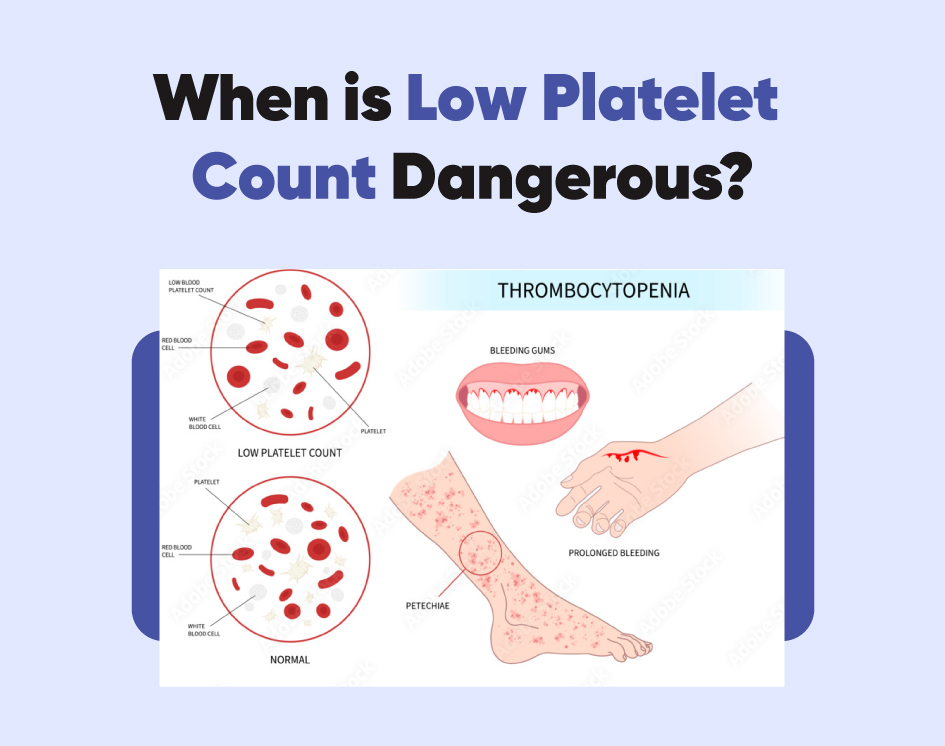
Platelets are blood cells that help stop bleeding when a blood vessel is injured. They gather at the site of damage and form a clot, preventing excessive blood loss.
In people with ITP, the immune system mistakenly identifies healthy platelets as harmful. Instead of protecting the body from genuine threats, it produces antibodies that attach to platelets and mark them for destruction. As platelet counts fall, the blood becomes less effective at clotting, increasing the likelihood of bruising and bleeding.
ITP can affect both children and adults. In children, it often develops after a viral infection and may resolve on its own. In adults, the condition is more likely to persist and require ongoing monitoring or treatment.
How ITP Leads to Platelet Destruction
The exact cause of ITP is not always known. However, researchers believe that the condition develops when the immune system becomes overactive and mistakenly targets healthy platelets.
Once antibodies attach to platelets, they are recognized as threats and removed from circulation, primarily by the spleen. This process causes platelet counts to fall. In some cases, the immune response may also affect the body’s ability to produce new platelets efficiently, making it even harder to maintain normal levels.
Several factors have been associated with the development of ITP, including:
- Viral infections
- Other autoimmune disorders
- Certain medications
- Immune system abnormalities
However, many people diagnosed with ITP do not have an identifiable trigger.
How Platelet Destruction Affects the Body
The effects of ITP are largely linked to platelets’ role in blood clotting. When platelet counts drop significantly, even minor injuries may result in prolonged bleeding.
The severity of symptoms often depends on how low the platelet count becomes. Some people experience only mild symptoms, while others may develop more noticeable bleeding-related complications.
Although severe bleeding is uncommon, the risk increases when platelet levels become extremely low, making early diagnosis and medical supervision important. In some cases, even routine dental procedures or minor injuries may require additional precautions to prevent excessive bleeding.
Recognizing the Signs of ITP
Many symptoms of ITP are related to abnormal bleeding and bruising. These symptoms may develop gradually or appear suddenly.
Common signs include:
- Easy or unexplained bruising
- Frequent nosebleeds
- Bleeding gums
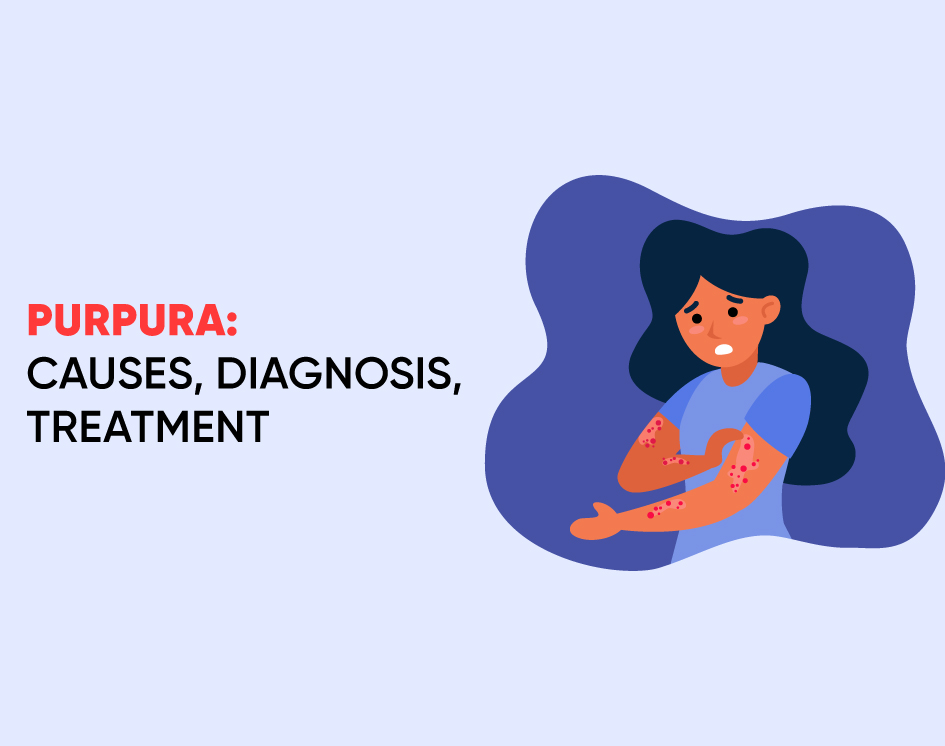
- Tiny red, purple, or brown spots on the skin, known as petechiae
- Prolonged bleeding from cuts
- Heavy menstrual bleeding
- Blood in the urine or stool in severe cases
Some individuals have no noticeable symptoms and discover they have ITP only after a routine blood test reveals a low platelet count.
Diagnosing Immune Thrombocytopenia
There is no single test that confirms ITP. Doctors typically begin with a detailed medical history, physical examination, and blood tests to evaluate platelet levels.
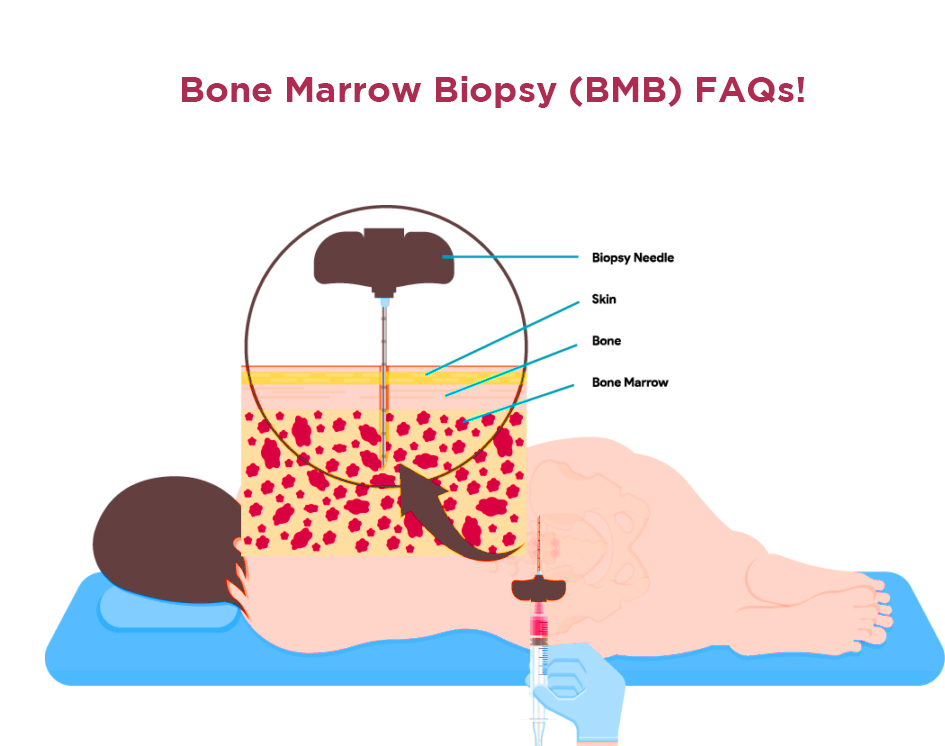
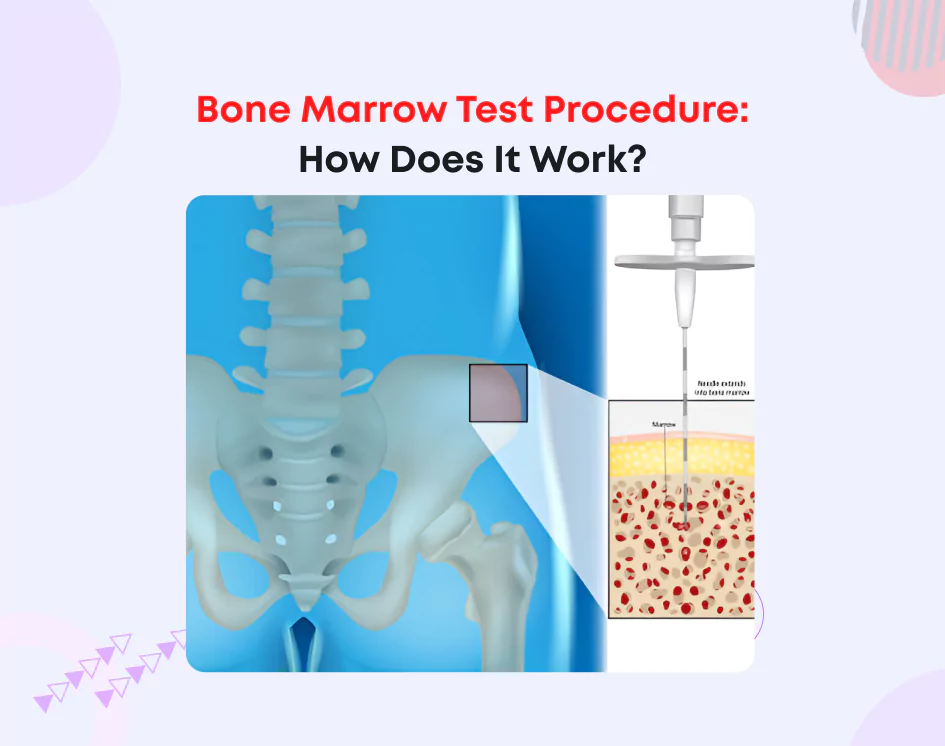
Because low platelet counts can result from several factors, it is important to rule out other possible causes before confirming a diagnosis. These may include infections, nutritional deficiencies, medication-related effects, and certain bone marrow disorders.
Additional investigations may sometimes be recommended depending on the individual’s symptoms and overall health.
Treatment Options for ITP
Treatment depends on factors such as platelet count, symptoms, age, and overall health. Not everyone diagnosed with ITP requires immediate treatment.
People with mild symptoms and relatively stable platelet counts may only need regular monitoring. When treatment becomes necessary, the goal is to reduce platelet destruction, improve platelet levels, and lower the risk of bleeding.
Treatment options may include medications that help regulate the immune response or therapies that stimulate platelet production. The most appropriate approach varies from person to person and is determined by a healthcare specialist. Regular follow-up appointments also help monitor platelet levels and assess how well treatment is working over time.