

Swollen legs are often associated with poor circulation, heart disease, kidney problems, or injury. However, a lesser-known yet clinically significant cause of leg swelling is anemia.
Anemia is a condition in which the body lacks enough healthy red blood cells or hemoglobin to carry adequate oxygen to tissues. While symptoms such as fatigue and pale skin are widely recognized, anemia can also contribute to swelling of the legs and feet, especially in moderate to severe cases.
This article explains the connection between anemia and swollen legs, outlines symptoms and causes, and highlights effective treatment options and warning signs that require medical attention.
What is Anemia?
Anemia occurs when the blood’s oxygen-carrying capacity is reduced due to low red blood cell count or hemoglobin levels. This results in reduced oxygen delivery to organs and tissues, leading to systemic symptoms.
According to the World Health Organization (WHO), anemia affects over 1.6 billion people worldwide, making it one of the most common global health conditions. Iron-deficiency anemia is the most prevalent type.
Common Symptoms of Anemia
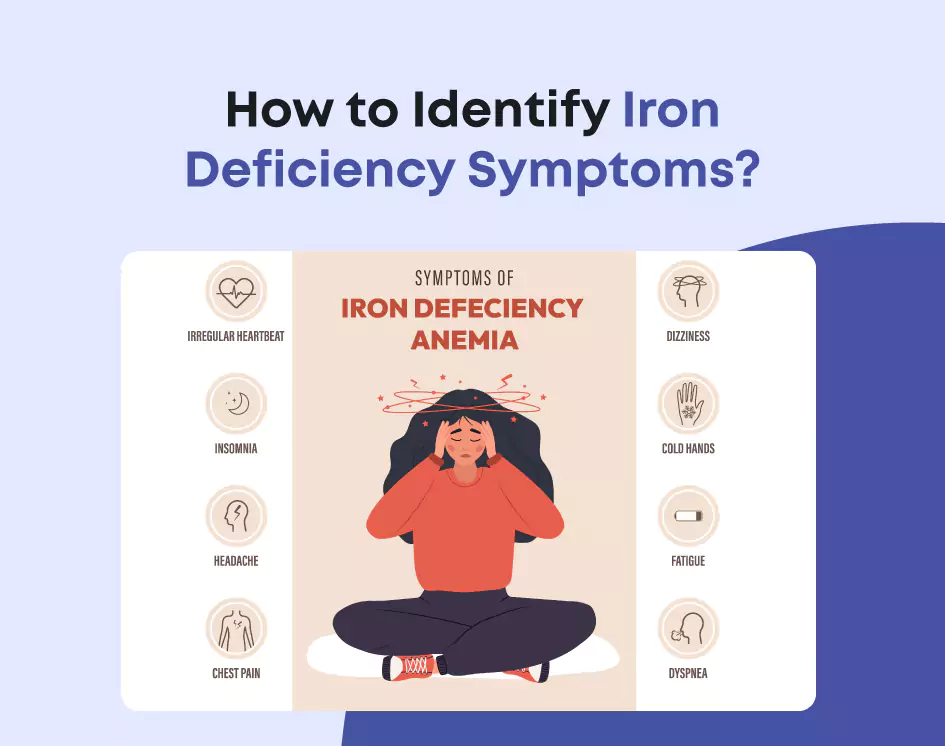
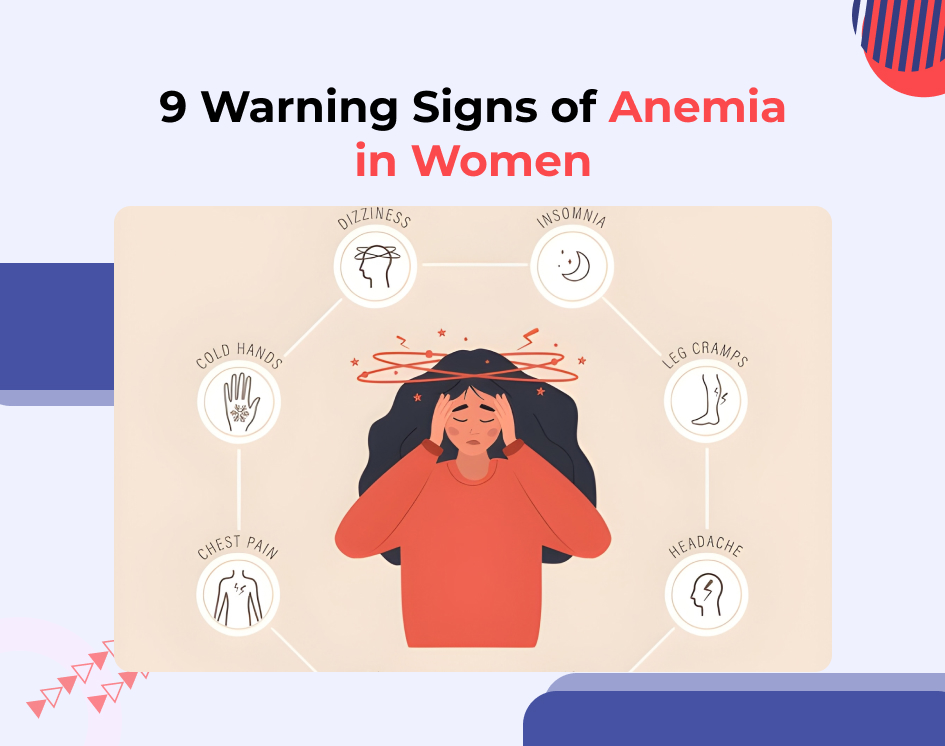
- Fatigue and weakness
- Pale or yellowish skin
- Shortness of breath
- Dizziness or headaches
- Cold hands and feet
- Irregular or rapid heartbeat
In some individuals, swelling of the legs and feet may also occur.n also be a symptom, though often overlooked.
How are anemia and swollen legs connected?
Leg swelling related to anemia is usually indirect and occurs due to effects on the heart, kidneys, or fluid balance.
Increased Heart Strain
When hemoglobin levels are low, the heart works harder to supply oxygen throughout the body. Over time, this increased workload may contribute to heart failure. One of the hallmark signs of heart failure is fluid retention, which often appears as swelling in the lower legs and ankles.
Kidney Involvement
Certain types of anemia are linked to chronic kidney disease. Since the kidneys regulate fluid balance, impaired kidney function can lead to edema, particularly in the legs and feet.
Low Blood Protein Levels
In severe anemia, reduced protein levels in the blood can allow fluid to leak into surrounding tissues, causing swelling.
Types of Anemia That Can Cause Swollen Legs
Iron-Deficiency Anemia
Severe iron deficiency reduces oxygen supply, increasing cardiac strain and potentially leading to fluid retention in the legs.
Anemia of Chronic Disease
Common in people with kidney disease, autoimmune disorders, or cancer. Impaired kidney function can disrupt fluid regulation, causing leg swelling.
Hemolytic Anemia
Rapid destruction of red blood cells can affect kidney function, leading to fluid accumulation in the lower extremities.
Pernicious Anemia
Caused by vitamin B12 deficiency. Advanced cases may affect cardiovascular and neurological systems, indirectly contributing to swelling.
Signs that leg swelling may be related to anemia
Swelling caused by anemia is often accompanied by other symptoms, such as:
- Extreme fatigue despite rest
- Breathlessness during routine activities
- Rapid or irregular heartbeat
- Frequent dizziness or lightheadedness
Experiencing multiple symptoms together warrants medical evaluation.
How is anemia with leg swelling diagnosed?
Doctors may recommend the following tests:
- Complete Blood Count (CBC) to assess hemoglobin and red blood cells
- Iron studies including ferritin and serum iron
- Kidney function tests
- Heart evaluation, such as an echocardiogram, if cardiac involvement is suspected
Identifying the underlying cause is essential for effective treatment.
Effective Remedies and Treatments
Dietary Improvements
Vitamin B12 and folate: eggs, dairy, whole grains
Iron-rich foods: leafy greens, legumes, lean meats, fortified cereals
Iron or Vitamin Supplements
Prescribed based on deficiency type and severity. Supplements should only be taken under medical supervision.
Compression Stockings
Help reduce leg swelling by preventing fluid buildup, especially in people with prolonged standing or circulation issues.
Physical Activity
Light exercise such as walking improves circulation and reduces fluid retention.
Treat Underlying Conditions
Managing kidney disease, heart disease, or chronic inflammation is critical for long-term improvement.
Adequate Hydration
Proper hydration supports kidney function and helps regulate fluid balance.
When to seek medical advice?
Consulting a healthcare professional is crucial if you experience:
- Persistent or worsening leg swelling
- Severe fatigue and breathlessness
- Chest pain or irregular heartbeats
- Rapid weight gain due to fluid retention
Early diagnosis and treatment can prevent complications such as heart failure, kidney damage, and severe anemia.
Preventing anemia-related swelling
- Maintain a balanced, nutrient-rich diet
- Undergo regular blood tests if you are at risk
- Manage chronic health conditions effectively
- Limit excess salt intake to reduce fluid retention
Conclusion
Swollen legs can be a warning sign of anemia, particularly when heart or kidney function is affected. Understanding this connection allows for early diagnosis and timely treatment, reducing the risk of serious complications.
If leg swelling occurs alongside fatigue, breathlessness, or dizziness, medical evaluation is essential. With proper care, anemia and its associated symptoms can be effectively managed, helping you regain energy and protect long-term health.