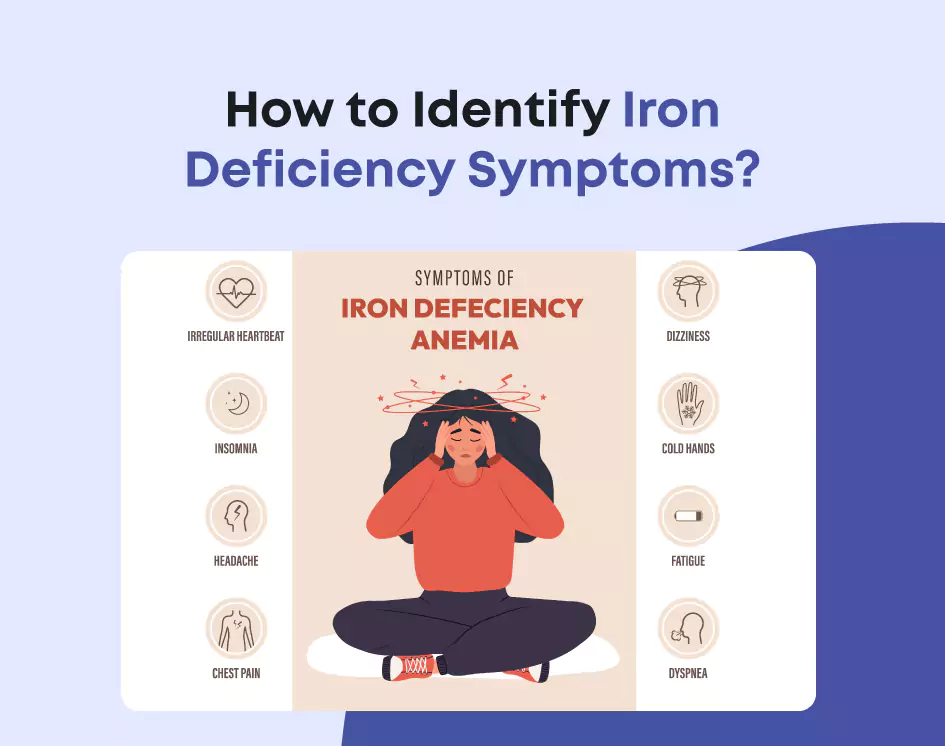


If you lie down at night only to be plagued by an overwhelming urge to move your legs, accompanied by crawling, tingling, or aching sensations deep in your limbs, you may be experiencing restless legs syndrome (RLS). This condition is one of the most common causes of sleep disruption in adults, yet it’s frequently misunderstood and underdiagnosed. One cause that’s often overlooked? Iron deficiency.
What Is Restless Legs Syndrome?
Restless legs syndrome, also known as Willis-Ekbom Disease, is a neurological sensory disorder characterised by uncomfortable sensations in the legs often described as crawling, itching, pulling, or aching combined with a compelling urge to move them for relief. These symptoms typically worsen at rest and are most severe in the evening and at night, making it difficult to fall asleep or stay asleep. In many patients, involuntary leg movements also occur during sleep.
The Link Between Iron Deficiency and RLS
Research has established a clear connection between iron levels and restless legs syndrome. Iron plays a critical role in dopamine production and function the neurotransmitter system involved in controlling movement. When iron levels in the brain are low, dopamine signaling becomes disrupted, contributing to the uncomfortable sensations associated with RLS.
Importantly, the relevant iron level is not just the iron in the bloodstream, but also the iron in the brain and central nervous system. This means it’s possible to have a normal blood iron level while still having insufficient iron in the brain — one reason why RLS is sometimes missed when doctors only check standard blood iron markers. Ferritin levels are considered more informative, and current guidelines suggest iron therapy may be appropriate for RLS patients with ferritin below 75 micrograms per liter.
Who Is Most at Risk?
RLS linked to iron deficiency is more common in women (particularly during pregnancy, when iron demands are high), in people with heavy menstrual periods, in those who consume little dietary iron, in individuals with gastrointestinal conditions that impair iron absorption, and in people with kidney disease. A family history of RLS can also increase the risk regardless of iron levels.
Can Iron Treatment Help?
Evidence from clinical studies suggests that iron supplementation — either in tablet form or as an intravenous infusion can reduce the severity of RLS symptoms, particularly in those with low or borderline ferritin levels. Intravenous iron has shown stronger results in studies, likely because it bypasses absorption barriers in the gut. However, iron is not a cure-all for RLS, and treatment is most effective when iron deficiency is a contributing cause.
What Should You Do?
If you experience restless leg symptoms, speak to your doctor about checking your ferritin and iron levels, not just standard hemoglobin. If a deficiency is found, addressing it with iron supplementation may provide meaningful relief before resorting to other medications. Lifestyle adjustments such as limiting caffeine and alcohol intake, maintaining a consistent sleep schedule, and engaging in gentle exercise can also help manage symptoms.