
By Dr Karuna Kumar, MD DNB Hematologist
Almost every patient with immune thrombocytopenia (ITP) has the same question: “Is there a special diet that can increase my platelet count?”
The simple answer is that there is no specific food or diet proven to increase platelet counts in ITP.
ITP is an immune-mediated condition in which the immune system mistakenly attacks and destroys platelets. Since the underlying problem is related to the immune system and not simply a nutritional deficiency, diet alone cannot treat ITP or replace medical treatment.
However, good nutrition still has an important role to play. Eating a balanced diet can support overall health and may be particularly helpful in managing some of the effects of ITP treatment.
Understanding the Role of Diet in ITP
There is no need to follow a highly restrictive diet simply because you have ITP. Instead, aim for a balanced eating pattern that provides the nutrients your body needs.
A healthy plate can include:
- Vegetables and fruits for vitamins, minerals and fibre
- Whole grains and other minimally processed carbohydrates
- Protein sources such as dal, lentils, beans, dairy, eggs, fish or lean meat
- Healthy sources of fats in appropriate amounts
- Enough fluids throughout the day
Rather than concentrating on one food that is supposed to “boost” platelets, focus on eating a variety of nutritious foods regularly.
Your nutritional requirements may also vary depending on your age, overall health, medications and other medical conditions.
Foods to Limit During Steroid Treatment
Corticosteroids are commonly used in the management of ITP. When they are used for longer periods, they can increase appetite and blood sugar and may affect bone health.
During steroid treatment, it can be helpful to limit:
- Sugary drinks and excess sweets
- Highly processed foods
- Foods high in unhealthy fats
- Excess salt
- Large portions that may contribute to unwanted weight gain
At the same time, calcium- and protein-rich foods can be useful for supporting bone and muscle health.
There is no general reason for everyone with ITP to completely avoid dairy products. Milk, curd and other dairy foods can provide calcium and protein and may be particularly useful when long-term steroid treatment increases concerns about bone health.
Nutritional Deficiencies and Platelet Counts
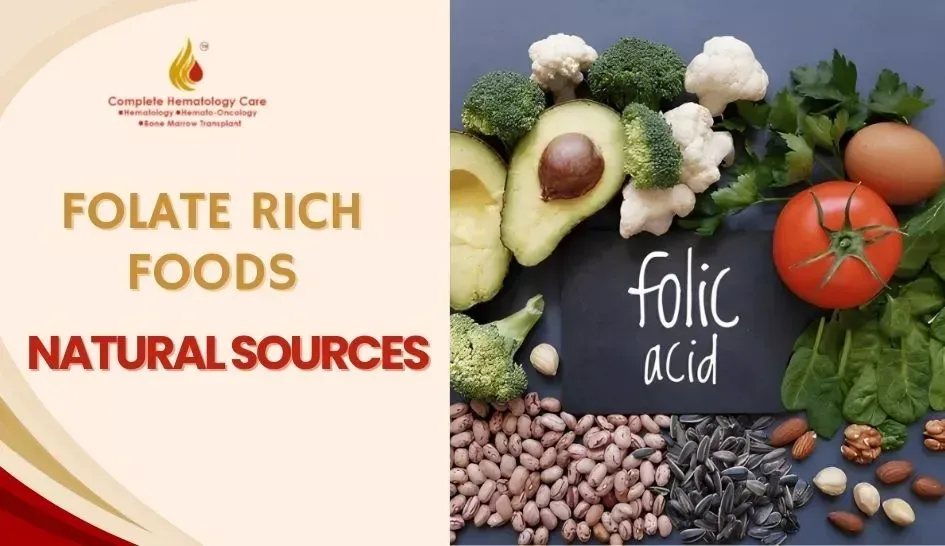
Some nutritional deficiencies can contribute to low or abnormal blood counts. These include deficiencies of:
- Vitamin B12
- Folate
- Iron
However, having a nutritional deficiency is different from having ITP. Correcting a deficiency may help when it is actually present, but taking these nutrients unnecessarily will not treat ITP.
If your doctor suspects a nutritional deficiency, blood tests can help identify it and guide appropriate supplementation.
Be Careful With Supplements and Home Remedies
There is no shortage of foods, juices, herbal preparations and supplements promoted as natural ways to increase platelet counts.
However, there is no reliable evidence that a particular food or home remedy can cure ITP or consistently raise platelet counts.
Some supplements and herbal products may also interact with medicines or affect bleeding. Before taking any supplement, herbal preparation or “platelet booster,” discuss it with your doctor.
Alcohol should also be avoided or discussed with your doctor, particularly when platelet counts are low, as it can affect platelet production and may increase bleeding concerns.
What Matters More Than a Platelet-Boosting Food
When you have ITP, it can be tempting to focus on your platelet number and look for something you can eat to make it go up. But managing ITP involves more than diet.
Your doctor may consider:
- Your platelet count and how it changes over time
- Whether you have any bleeding symptoms
- Your overall health
- Other medicines you are taking
- How you respond to treatment
Depending on your condition, treatment may include observation, corticosteroids, immunoglobulin or other medicines.
If your platelet count falls significantly or you develop unusual bruising, bleeding or other new symptoms, contact your treating doctor rather than trying to manage the change through food alone.
Diet Supports Your Health, Treatment Manages ITP
There is no single food that can reliably increase platelet counts in ITP. The goal should be to maintain a balanced, nutritious diet while following the treatment plan recommended by your doctor.
Good nutrition can support your overall wellbeing, help you maintain a healthy weight and provide the nutrients your body needs during treatment.
With ITP, good nutrition supports your health. The right medical treatment manages the disease.