
By Dr Karuna Kumar, MD DNB Hematologist
Iron deficiency is one of the most common nutritional deficiencies, but treating low iron is not always as simple as adding more iron-rich foods to your plate.
Foods such as leafy greens, lentils, beans, seeds, and other plant-based sources can contribute iron to the diet. However, the body does not absorb all the iron we consume. This means that even a diet rich in iron may not be enough to correct significant iron deficiency or anemia.
More importantly, anemia is not always caused by a lack of dietary iron. Finding the underlying cause is an important part of treatment.
How Much Iron Does the Body Absorb From Food?
Iron absorption from food is naturally limited and varies depending on the type of iron and the overall meal.
There are two main forms of dietary iron:
- Heme iron, found mainly in meat, poultry, and seafood, is generally absorbed more efficiently.
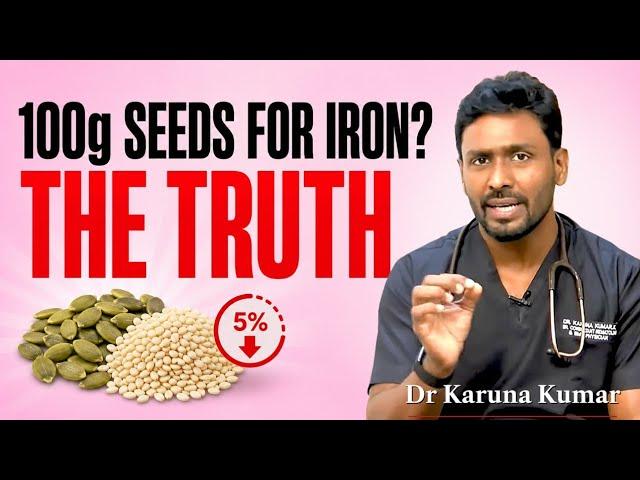
- Non-heme iron, found in plant foods such as lentils, beans, leafy greens, nuts and seeds, is absorbed less efficiently and is more affected by other components of the meal.
This does not mean that vegetarian sources of iron are ineffective. They remain an important part of a balanced diet. But when someone has significant iron deficiency, simply eating more iron-rich foods may not provide enough iron to restore the body's iron stores.
Why Supplements May Be Needed
When doctors confirm iron deficiency, they often prescribe iron supplements because they provide a more concentrated dose of iron than food alone.
The amount and type of supplement depend on the individual's iron levels, symptoms, tolerance, and the cause of the deficiency. Some people may also require intravenous iron when oral supplements are unsuitable, poorly tolerated or insufficient.
However, do not start iron supplements just because someone has symptoms such as tiredness or weakness. Testing is important before treatment because not every type of anemia is caused by iron deficiency.
Diet Still Has an Important Role
Just because supplements may be needed does not mean diet is unimportant.
A naturally iron-rich diet can help provide iron as part of everyday nutrition. Vegetarian sources include:
- Lentils and dals
- Beans and chickpeas
- Green leafy vegetables
- Nuts and seeds
- Whole grains
- Iron-fortified foods, where available
Vitamin C can also improve non-heme iron absorption from plant foods. Including foods such as citrus fruits, guava, tomatoes or bell peppers alongside iron-containing meals can therefore be helpful.
Certain foods and drinks, including tea and coffee, can reduce iron absorption when consumed with or immediately around an iron-rich meal.
Iron Deficiency Does Not Always Cause Anemia
This is an important distinction. Low hemoglobin does not automatically mean that a person needs iron.
Anemia can have several causes, including:
- Iron deficiency due to blood loss
- Vitamin B12 or folate deficiency
- Chronic diseases and inflammation
- Genetic blood disorders
- Problems with iron absorption
- Certain kidney or bone marrow conditions
In women, heavy menstrual bleeding can be an important cause of iron deficiency. Blood loss from the gastrointestinal tract is another possible cause, particularly in certain age groups.
Treating low hemoglobin without finding the cause can mean the underlying problem remains undetected.
Why Finding the Root Cause Matters
If iron deficiency is confirmed, the next step is to understand why it happened.
Your doctor may consider your symptoms, medical history, diet, and blood tests, including hemoglobin, ferritin, and other iron studies. Depending on the situation, additional investigations may be required to look for blood loss, poor absorption or another underlying condition.
Taking iron without confirming deficiency can also be harmful in some situations, as excess iron can accumulate in the body.
The Right Approach to Treating Anemia
Iron-rich foods are an important part of a healthy diet, but they cannot always correct significant iron deficiency on their own. Supplements may be necessary when deficiency is confirmed, while the underlying cause also needs to be addressed.
The goal is not simply to increase iron intake. It is to identify the cause of anemia, replace what the body needs, and treat the reason for the deficiency.