
By Dr Karuna Kumar, MD DNB Hematologist
Folate (vitamin B9) is an essential nutrient that plays a vital role in red blood cell formation, DNA synthesis, and healthy cell division. A diet rich in foods high in folate supports overall health, helps prevent certain types of anemia, and is especially important during pregnancy.
In India, folate deficiency can contribute to anemia, particularly when combined with iron or vitamin B12 deficiency.
Understanding natural sources of folate, daily requirements, and when supplementation is needed can help individuals make informed dietary choices.
What is folate? Difference Between Folate and Folic Acid
Folate is the natural form of vitamin B9 present in foods, while folic acid is the synthetic version used in supplements and fortified products.
According to the National Institutes of Health (NIH), both forms help the body make DNA and red blood cells, but folic acid is more stable and commonly used in supplements and prenatal vitamins (NIH Office of Dietary Supplements).
In simple terms:
- Folate → Found naturally in vegetables, fruits, and legumes
- Folic acid → Added to fortified foods or given as tablets
Both contribute to preventing folate deficiency and certain types of anemia.
Why folate is important for health?
Folate supports:
- Formation of healthy red blood cells
- DNA production and repair
- Cell growth and division
- Prevention of megaloblastic anemia
- Healthy fetal development
The World Health Organization (WHO) highlights that folate deficiency can lead to megaloblastic anemia and increases the risk of neural tube defects during pregnancy.
Daily Folate Requirements
The recommended dietary allowance (RDA), as per the Indian Council of Medical Research (ICMR) and NIH guidelines, is:
- Adults: ~400 micrograms (mcg) daily
- Pregnant women: 600 mcg daily
- Breastfeeding women: 500 mcg daily
Requirements may vary slightly based on health status and lab findings.
Top Foods High in Folate in India
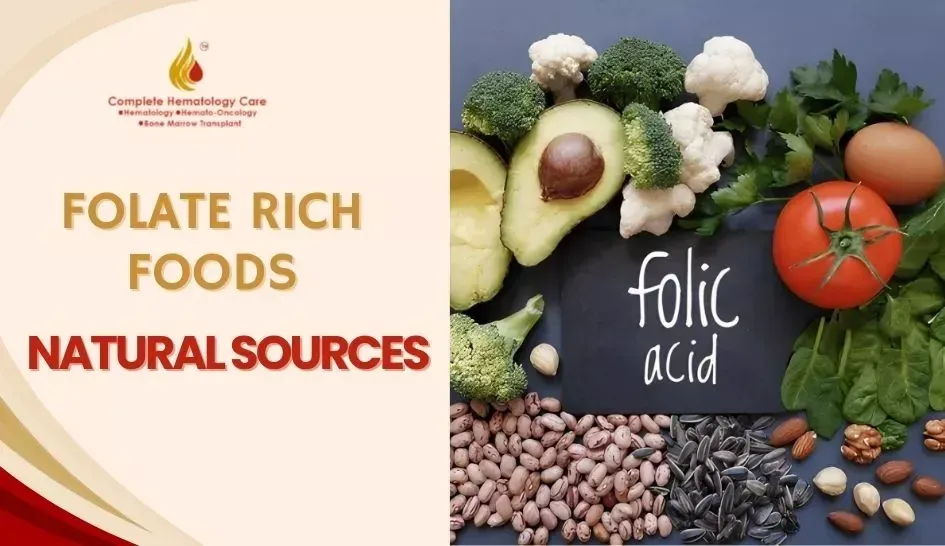
Including a variety of folate rich foods in daily meals can help meet requirements naturally.
1. Leafy Green Vegetables
Leafy greens are among the best natural sources.
- Spinach (Palak)
- Fenugreek leaves (Methi)
- Mustard greens (Sarson saag)
- Amaranth leaves (Chaulai)
One cup of cooked spinach provides a significant portion of daily folate needs (NIH).
2. Legumes and Pulses
Legumes are affordable and widely consumed in India.
- Lentils (Masoor dal)
- Bengal gram (Chana)
- Kidney beans (Rajma)
- Black gram (Urad dal)
Lentils are particularly high in folate and also provide plant-based iron.
3. Fruits Rich in Folate
Certain fruits contribute meaningful amounts:
- Oranges
- Bananas
- Papaya
- Avocado
Citrus fruits are especially helpful for improving iron absorption when eaten with meals.
4. Vegetables High in Folate
- Beetroot
- Broccoli
- Lady’s finger (Bhindi)
- Green peas
Light cooking helps preserve folate content, as prolonged boiling can reduce levels.
5. Folic Acid Enriched Foods
Some packaged foods are fortified with folic acid, including:
- Fortified breakfast cereals
- Fortified wheat flour (in certain regions)
Check labels for “folic acid” or “vitamin B9.”
Foods High in B12 and Folate
In India, mixed deficiencies of vitamin B12 and folate are common, especially among vegetarians.
Foods that provide both include:
- Eggs
- Dairy products (milk, curd)
- Fortified cereals
However, natural plant-based foods contain folate but not vitamin B12. Strict vegetarians may need B12 supplementation after medical evaluation.
Folate and Anemia: What Is the Connection?
Folate deficiency can cause megaloblastic anemia, a condition where red blood cells become large and abnormal.
Symptoms may include:
- Fatigue
- Pale skin
- Weakness
- Shortness of breath
According to WHO and NIH data, folate deficiency impairs red blood cell production, leading to anemia if untreated.
In India, anemia is often due to iron deficiency, but folate deficiency can coexist. Therefore, proper evaluation through a Complete Blood Count (CBC) and additional blood tests is important before starting supplements.
Folate During Pregnancy
Folate is critical before and during early pregnancy.
The WHO recommends folic acid supplementation for women planning pregnancy and during early gestation to reduce the risk of neural tube defects such as spina bifida.
Pregnant women require higher folate intake because:
- Rapid fetal cell division increases demand
- Placental growth requires adequate folate
- Blood volume expands during pregnancy
In India, routine folic acid supplementation is commonly advised during antenatal care.
However, supplementation should follow medical guidance.
Can diet alone prevent folate deficiency?
For many healthy adults, a balanced diet including foods high in folate is sufficient.
However, supplementation may be required in:
- Pregnancy
- Chronic alcohol use
- Malabsorption conditions
- Certain medications
- Confirmed deficiency on blood tests
Self-medication without evaluation is not advisable, especially because high folic acid intake can mask vitamin B12 deficiency.
Practical tips to increase folate intake
- Add at least one serving of leafy greens to your daily meals.
- Combine lentils and green vegetables in meals
- Avoid overcooking vegetables
- Add citrus fruits to enhance iron absorption
- Discuss supplements with a doctor if planning pregnancy
A food-first approach is generally preferred, unless medical testing suggests otherwise.
When to consult a hematologist?
Consider seeking professional evaluation if you experience:
- Persistent fatigue
- Recurrent anemia
- Abnormal CBC results
- Planning pregnancy with prior anemia history
A specialist can determine whether anemia is due to iron, folate, vitamin B12, or another cause. Treatment varies based on individual laboratory findings and clinical evaluation.
Final Thoughts
Including folate rich foods in daily meals supports red blood cell production, prevents certain types of anemia, and plays a crucial role in pregnancy health.
In the Indian context, a balanced diet with legumes, leafy greens, fruits, and fortified foods can help meet daily needs.
If you are unsure about your nutritional status or blood test results, consult a qualified hematologist or book appointment with us for consultation for proper evaluation and individualized guidance.