
By Dr Karuna Kumar, MD DNB Hematologist
Key Facts
- Every 2 seconds, someone needs blood
- One donation can save up to 3 lives
- India needs over 12 million units annually
- Less than 1% of eligible people who are allowed to donate blood actually do it.
- Safe for people aged 18–65 (in most cases)
Blood donation is often viewed as a noble act that saves lives. But many people also wonder: Is blood donation actually good for your own health? While the primary goal of donating blood is to help others, it turns out there are several benefits for the donor as well. In this blog, we’ll break down the health advantages, risks, myths, and facts about blood donation so you can make an informed decision.
How Blood Donation Works?
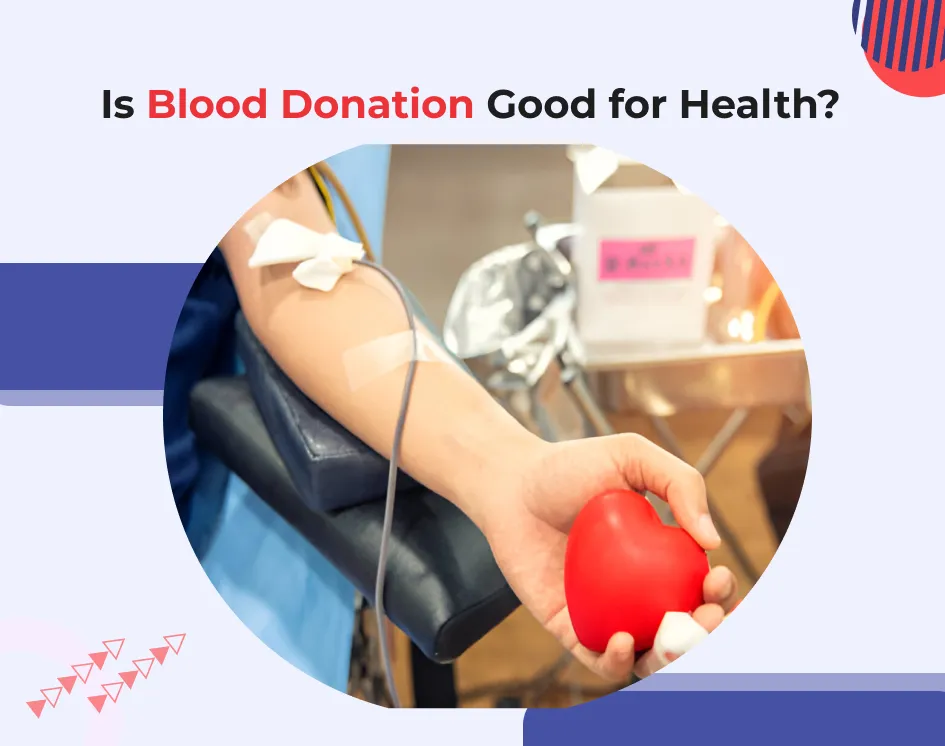
Donating blood is a simple and safe procedure. In a standard whole blood donation, approximately 350 to 450 ml of blood is drawn using a sterile needle. The process usually takes 10-15 minutes.
Types of donations include:
- Whole blood
- Platelet
- Plasma
You can donate whole blood every 12 weeks, while plasma and platelets can be donated more frequently.
Top Health Benefits of Blood Donation
Promotes Heart Health
Blood donation helps lower the iron levels in your body. Excess iron can increase the risk of heart disease by contributing to oxidative stress. Donating blood regularly helps regulate iron levels and may contribute to better heart health.
Improves Blood Flow
Regular blood donation reduces blood viscosity, promoting smoother circulation. Better blood flow can help reduce the risk of blood clots and arterial blockages.
Burns Calories
Surprisingly, a single blood donation session can burn up to 650 calories. It’s not a weight-loss strategy, but it’s a bonus for those maintaining a healthy lifestyle.
Free Health Screening
Each time you donate, your blood pressure, hemoglobin, and overall health are checked. It’s like getting a mini health screening at no cost.
Mental Well-being
Donating blood often brings a sense of pride and emotional fulfillment to the donor. Helping others can reduce stress and promote emotional wellness.
Common Side Effects & Risks
While blood donation is safe, some donors may experience:
- Fatigue or light-headedness
- Bruising at the needle site
- Mild dehydration
These symptoms are usually short-lived. To minimize discomfort:
- Stay hydrated before and after
- Eat a healthy meal prior to donation
- Rest for a few minutes post-donation
Who Should Not Donate Blood?
Some individuals are not eligible to donate blood:
- People with low hemoglobin or anemia
- Those with active infections or recent illnesses
- Pregnant or breastfeeding women
- People who recently got tattoos or piercings (within the past 6-12 months)
- Individuals with certain medical conditions like HIV, hepatitis, or cancer history
Always check eligibility with your doctor or blood bank.
Blood Donation and Iron Levels
Each donation uses about 200-250 mg of iron. If you donate frequently, your iron stores can drop, leading to fatigue or iron deficiency.
Tips to maintain iron levels:
- Include iron-rich foods in your diet such as leafy greens, beans, and red meat.
- Take iron supplements if recommended
- Monitor ferritin levels if you donate often
Does Blood Donation Help You Live Longer?
There’s no solid proof that blood donation directly extends lifespan. However, studies suggest that altruism and helping others can contribute to better mental health and reduced stress, which are linked to overall well-being.
Regular donors often adopt healthier habits, which could indirectly support longevity.
Myths vs Facts
| Myth | Fact |
|---|---|
| Donating weakens your immunity | Your immune system remains unaffected. |
| You might get an infection | All equipment is sterile and single-use. |
| You can donate only once | You can donate regularly — every 3 months (whole blood). |
| You need to rest for days after | Most people feel fine within an hour or two. |
Conclusion
Blood donation is more than just an act of kindness, it’s a benefit for both the donor and the recipient. It saves lives and offers physical and emotional benefits for the donor. As long as you’re healthy and eligible, donating blood is a safe and rewarding habit. Thinking about donating? Consult a healthcare provider or visit your local blood bank to learn more.