

Key Facts
- Coffee can reduce non-heme iron absorption by up to 90% when consumed with meals.
- The inhibitory effect comes from polyphenols, not caffeine.
- Timing coffee one hour after meals can minimize its impact on iron uptake.
- Women and vegetarians are more vulnerable to iron absorption issues.
- Pairing meals with vitamin C helps counteract coffee’s inhibitory effect.
For many people, mornings don’t start without coffee.
But for those struggling with low iron or anemia, that daily cup might not be as harmless as it seems.
The relationship between coffee and iron absorption is one of those subtle nutrition puzzles that most people overlook, until fatigue, weakness, or unexplained low hemoglobin levels start showing up.
So, does coffee really block iron absorption?
Let’s break down the science, the real-world impact, and what you can do about it.
The Science Behind Coffee and Iron Absorption
Coffee contains compounds known as polyphenols and tannins, which can bind with non-heme iron, the type of iron found in plant-based foods like spinach, lentils, and beans. Once these compounds bind with iron, your body can’t absorb it efficiently.
Research suggests that drinking coffee with a meal can reduce non-heme iron absorption by 40–90% depending on the brew strength and timing. However, this effect is temporary and can be managed with dietary strategies.
Does caffeine itself block iron absorption?
It’s not actually the caffeine doing the heavy lifting here. It’s the polyphenols. Caffeine may play a minor role, but studies have shown that decaffeinated coffee also inhibits iron absorption to a similar degree. So, switching to decaf doesn’t solve the issue completely.
The key lies in timing and meal composition rather than quitting coffee altogether.
How to minimize coffee’s impact on iron?
Here’s what you can do to protect your iron levels without giving up your morning ritual:
- Wait at least one hour after meals before drinking coffee or tea.
- Pair iron-rich meals with vitamin C, such as adding lemon juice, bell peppers, or oranges. This enhances non-heme iron absorption.
- Avoid coffee during iron supplementation, especially if your doctor prescribed iron tablets.
- Space out caffeine intake between meals rather than sipping throughout the day.
Small timing shifts can make a big difference, especially for vegetarians and those prone to iron deficiency.
Why does this matter more for vegetarians and women?
People who rely on plant-based diets primarily consume non-heme iron, which is more sensitive to inhibitors like coffee, tea, and even calcium.
Women, especially those with heavy menstrual cycles, have higher iron requirements and can be more affected by small absorption drops.
That’s why managing both dietary intake and lifestyle habits becomes critical even simple choices like when you drink coffee can influence long-term iron balance.
Can coffee cause iron deficiency anemia?
Not directly but it can contribute to it over time. Coffee alone doesn’t cause anemia, but when combined with low dietary iron intake or chronic blood loss (like menstruation or gastrointestinal conditions), it can tip the balance toward deficiency.
So, if you’re already borderline anemic or taking supplements, monitor your coffee timing closely.
What about tea and other caffeinated drinks?
Tea especially black and green tea has an even stronger inhibitory effect on iron absorption because it contains higher tannin levels. Similarly, cola drinks and energy beverages can interfere when consumed alongside iron-rich meals.
If you’re managing anemia, it’s best to treat all caffeinated beverages with the same caution. Enjoy them between meals, not with meals.
Practical Diet Tips to Support Iron Absorption
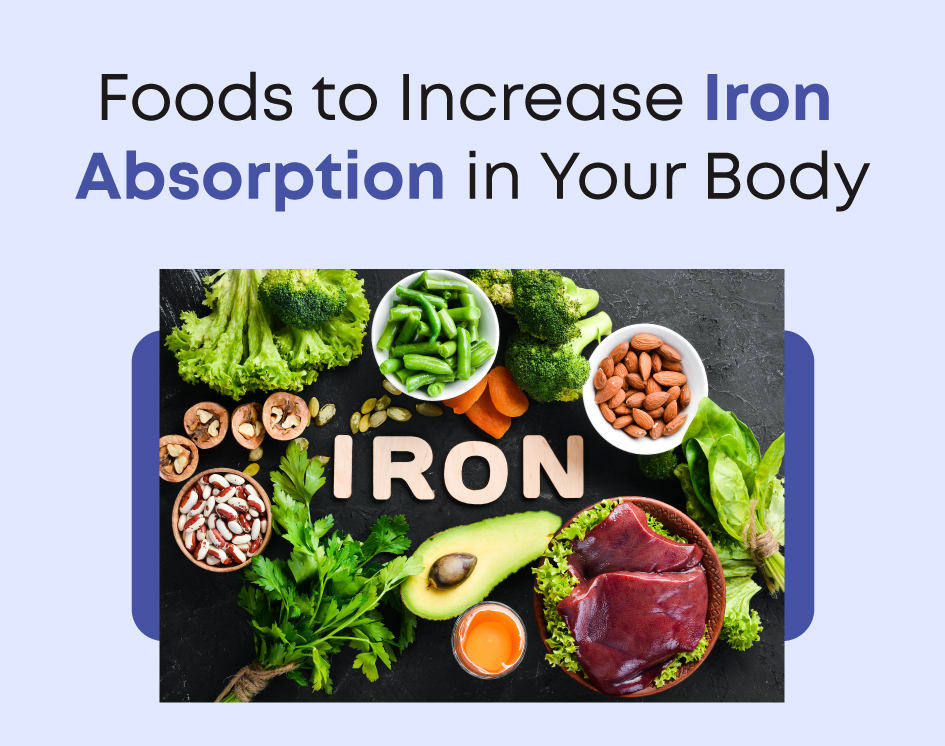
- Include iron-rich foods such as spinach, tofu, lentils, chickpeas, and pumpkin seeds.
- Combine with vitamin C-rich foods like oranges, guava, strawberries, and tomatoes.
- Use cast iron cookware. Studies show it can slightly increase iron content in food.
- Avoid drinking coffee, tea, or milk within 60–90 minutes of main meals.
Conclusion
Coffee isn’t the enemy but timing is everything. If you experience low iron levels or frequent fatigue, consider adjusting your caffeine intake and timing.
A few small dietary tweaks can ensure your body absorbs enough iron while still enjoying that comforting cup of coffee.
Managing iron levels isn’t just about supplements or diet, it’s about awareness, balance, and consistency.