
By Dr Karuna Kumar, MD DNB Hematologist
Key Facts
- Yes, smokers can donate blood but should avoid smoking 1–2 hours before and after donation.
- Nicotine and carbon monoxide reduce oxygen levels in the blood temporarily.
- Proper hydration, rest, and nutrition help smokers recover better after donation.
- If you feel dizzy or weak post-donation, consult a hematologist for evaluation.
I often meet patients who want to contribute to blood donation drives but hesitate because they smoke.
Smoking affects your blood and cardiovascular system in many ways, so it’s natural to wonder if that makes you ineligible to donate.
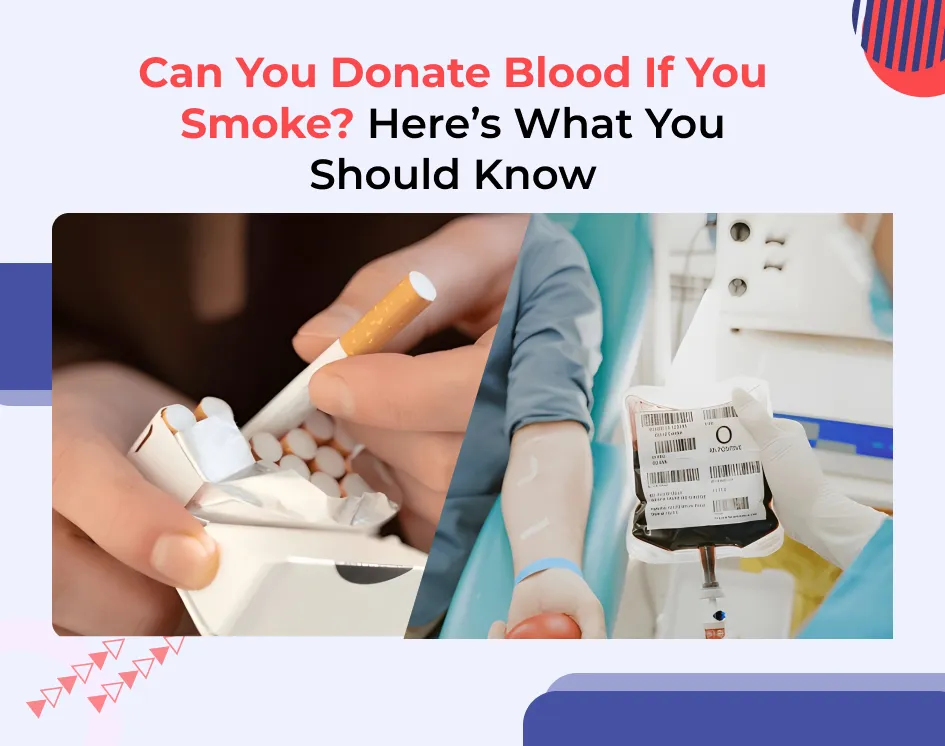
Let’s clear the air. Yes, you can donate blood if you smoke, but there are important guidelines to follow to ensure both your safety and the quality of the blood being donated.
How does smoking affect your blood?
Nicotine and carbon monoxide are two of the main chemicals in cigarette smoke that interfere with oxygen transport in your blood.
They bind to hemoglobin, reducing how efficiently red blood cells carry oxygen to your tissues.
Over time, this can cause subtle but significant changes in your blood quality, such as:
- Reduced oxygen saturation
- Increased carbon monoxide levels
- Temporary thickening of the blood (due to higher red cell counts)
- Impaired platelet function
These effects don’t automatically disqualify you from donating blood, but they do make timing and preparation crucial.
Can smokers donate blood?
Yes, smokers can donate blood but timing matters.
If you smoke, it’s recommended that you avoid smoking for at least 1–2 hours before donating blood. This allows carbon monoxide levels in your blood to decrease slightly, ensuring the blood you donate is safer for the recipient.
After donation, it’s equally important to avoid smoking for at least 2 hours. Your body is temporarily low on blood volume, and nicotine can make you dizzy, light-headed, or nauseated when oxygen levels are reduced.
In India, most blood banks, including those associated with the Indian Red Cross and government hospitals, follow similar recommendations. Smoking doesn’t automatically disqualify you but being mindful of these time frames helps ensure safe donation.
What to know before donating blood if you smoke?
If you’re a smoker and planning to donate blood, here’s how you can prepare effectively:
-
Stay hydrated: Smoking can mildly dehydrate you. Drink 2–3 glasses of water before your donation.
-
Eat a healthy meal: Low blood sugar from skipping meals can increase the chances of dizziness.
-
Avoid alcohol: Never mix alcohol and smoking before donation as it depletes hydration and affects recovery.
-
Skip your cigarette before donation: Give your lungs and blood a short nicotine break.
-
Rest after donation: Sit for 10–15 minutes and have some juice or snacks to help your body recover.
How smoking impacts blood quality and recovery?
While a single cigarette won’t drastically affect your blood donation, chronic smoking does alter blood health over time. Studies have shown that smokers tend to have higher carbon monoxide levels, reduced oxygen delivery, and a higher risk of iron deficiency.
That’s why after donating blood, you might feel slightly more tired than a non-smoker would. It’s temporary, but it’s your body signaling the need for oxygen replenishment.
If you often feel weak or dizzy after donation or if you’re a heavy smoker it’s a good idea to discuss it with your doctor. A hematology assessment can identify whether your blood oxygen or iron levels need support before future donations.
Safer Blood Donation Practices for Smokers
Even if you smoke, donating blood is still a generous and positive act. You can make it safer by following these steps:
- Refrain from smoking 2 hours before and after donation.
- Maintain good hydration and iron-rich nutrition.
- Donate only if you’re feeling well and have had enough rest.
- Space out your donations (at least 3 months between each).
- Use your donation as motivation to cut down or quit smoking and your blood (and lungs) will thank you.
When to talk to a hematologist?
If you’re a regular smoker or have symptoms like:
- Persistent fatigue
- Shortness of breath
- Poor recovery after donation
- Frequent dizziness or headaches
…it’s wise to get your blood health evaluated.
I’ve seen many smokers who are otherwise healthy but benefit from simple interventions like iron supplementation, oxygen level monitoring, or smoking cessation guidance.
Blood donation is a noble act but it’s even more meaningful when you do it safely.
In Short
Smoking doesn’t disqualify you from donating blood but awareness, timing, and preparation make all the difference.
If you’re unsure whether your health status is donation-ready, a quick hematology consultation can help ensure your generosity benefits both you and the recipient.