

Seeing the term blast cells on your CBC (Complete Blood Count) blood report?
Most people expect their reports to show red cells, white cells, and platelets and not something called blasts.
If you’re here trying to understand what it means, you’re not alone. Most of my patients walk into my hematology clinic with this exact question.
This guide breaks down everything you need to know in a simple, factual, and reassuring way.
What exactly are blast cells?
Blast cells are young, immature blood cells produced in the bone marrow. Every mature blood cell whether it becomes a white cell, red cell, or platelet starts as a blast.
Inside the bone marrow, these cells go through several “training stages.” Once mature, they enter the bloodstream and perform their regular roles.
In a healthy person, blast cells DO NOT appear in the bloodstream.
They remain inside the bone marrow until fully developed.
So when a CBC report flags “blast cells,” it means:
- Immature blood cells have spilled out into the circulation
- Or the automated machine has detected cells resembling blasts
- Or the bone marrow is under stress and not functioning as expected
Are blast cells ever normal in a cbc?
In routine blood tests, the normal blast cell percentage is: 0%
Even a slight presence 0.5%, 1%, or “blast cells seen” should not be ignored. It doesn’t always mean something serious, but it does mean you need a closer look.
Why do blast cells show up in blood tests?
Blast cells enter the bloodstream for a few major reasons. Some are serious, some less so but all require medical evaluation.
1. Bone Marrow Disorders
These are the most common and medically significant causes.
- Acute Myeloid Leukemia (AML)
- Acute Lymphoblastic Leukemia (ALL)
- Myelodysplastic Syndrome (MDS)
- Myeloproliferative neoplasms (MPNs)
- Mixed phenotype leukemias
In such conditions, the bone marrow produces abnormal cells excessively, pushing blasts into the bloodstream.
These disorders usually come with:
- Fatigue
- Unexplained infections
- Easy bruising
- Bleeding gums
- Bone pain
2. Severe Infections or Stress Responses
Sometimes, in very severe infections or sepsis, the marrow “pushes out” cells rapidly, causing immature cells to appear temporarily.
These are called reactive or stress-related blasts.
They often normalize after the underlying infection is treated.
3. Bone Marrow Recovery Phase
After chemotherapy or certain medications, the bone marrow rebounds and during this recovery, immature cells may circulate.
This is expected and monitored by hematologists.
4. Automated Analyzer Misinterpretation
Not all flagged “blasts” are actual blasts. Machines may misidentify:
- Atypical lymphocytes
- Monocytes
- Immature granulocytes
This is why a manual peripheral smear review by a hematologist is essential.
Symptoms that may appear with blast cells
Some people have no symptoms and only discover blasts through a routine test.
Others may have:
- Extreme tiredness
- Paleness
- Recurrent fevers
- Bruising or bleeding
- Frequent infections
- Shortness of breath
- Night sweats
- Weight loss
These symptoms show the bone marrow is struggling.
How do doctors confirm blast cells?
If your CBC shows blasts, the next step is not to panic but to evaluate accurately.
The standard diagnostic process includes:
1. Peripheral Smear Analysis (Most Important)
A hematologist examines your blood under a microscope to:
- Confirm if they are real blast cells
- Identify their type (myeloblasts, lymphoblasts, etc.)
- Assess for dysplasia or other abnormalities
2. Bone Marrow Biopsy (If Needed)
Used to:
- Calculate exact blast percentage
- Diagnose leukemia, MDS, or marrow failure
3. Flow Cytometry
Helps identify the subtype of abnormal cells with precision.
4. Genetic and Molecular Testing
Identifies chromosome changes such as:
- FLT3
- NPM1
- BCR-ABL
- RUNX1
These help decide treatment pathways.
What blast percentage is concerning?
Here’s a simple breakdown:
| Blast Percentage in Blood/Marrow | What it suggests |
| 0% | Normal |
| 1–5% | Needs evaluation; could be reactive or early marrow stress |
| 5–19% | Suggestive of MDS or evolving leukemia |
| ≥20% | Diagnostic of acute leukemia |
Even 1% in peripheral blood is enough reason to consult a hematologist.
Is a high blast count always cancer?
No, but it must be assessed carefully.
Blasts can be elevated due to:
- Severe infections
- Bone marrow recovery
- Medications
- Post-transplant changes
But because blasts can indicate leukemia or other marrow disorders, quicker evaluation ensures early diagnosis and better outcomes.
Treatment
There is no “one treatment for blast cells.” The approach is based on the underlying condition.
If due to infection:
Treating the infection resolves the issue.
If due to marrow disorders:
Doctors may recommend:
- Chemotherapy
- Targeted therapy
- Immunotherapy
- Supportive care (transfusions, vitamins)
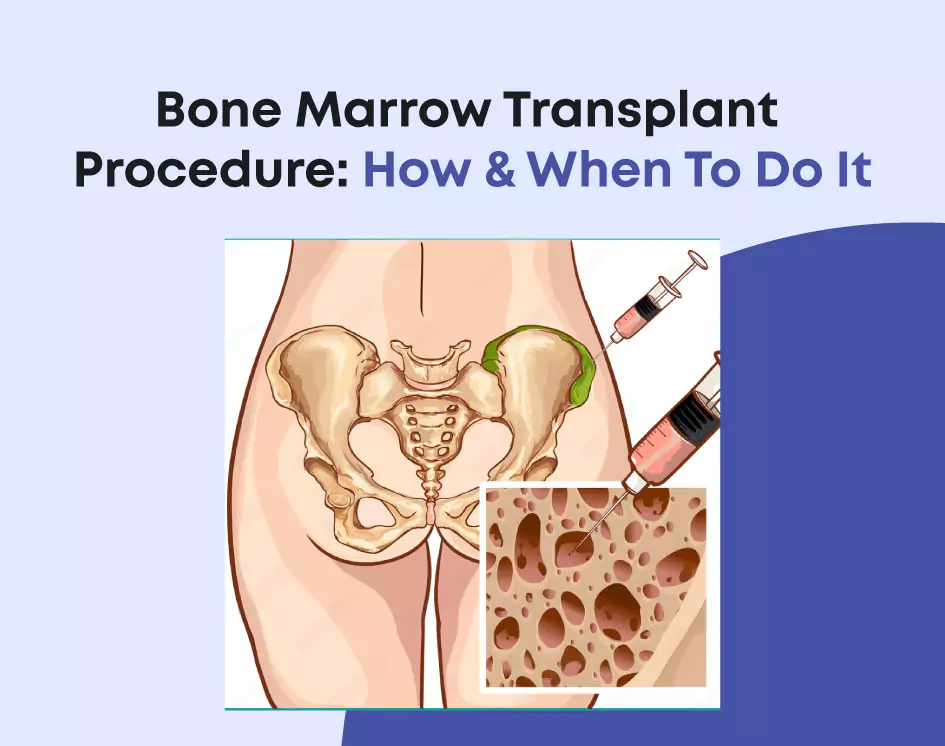
- Bone marrow transplant (in specific cases)
If due to machine error:
A manual review clears the confusion.
The key point is:
Blast cells are a sign not a diagnosis.
The cause determines the management.
Conclusion
Seeing “blast cells” on a CBC report can be alarming, but it doesn’t automatically mean something serious. It’s simply a sign that your bone marrow needs a closer look. With the right tests and timely evaluation, most conditions linked to blasts can be diagnosed early and treated effectively.
If your report mentions blasts or you’re experiencing symptoms like fatigue, infections, or easy bruising, scheduling a consultation with a hematologist is the safest next step. Clear information, early action; that’s how you protect your health.