
When you’re diagnosed with iron deficiency anemia, your doctor will prescribe iron replacement therapy. But not everyone needs the same approach. Iron is available in two main forms — oral tablets (taken by mouth) and intravenous infusions (delivered directly into the bloodstream) — and choosing the right one depends on the severity of your deficiency, the underlying cause, how well your gut absorbs iron, and how quickly your levels need to recover. Here’s a clear breakdown to help you understand which might be right for you.
Iron Tablets: The First-Line Approach
Oral iron supplements are the most commonly prescribed treatment for iron deficiency anemia and are usually tried first. They’re widely available, relatively inexpensive, and effective for many people. Taken on an empty stomach with a source of vitamin C (such as orange juice), absorption is maximised. Most people need to take oral iron for three to six months to fully replenish their body’s iron stores — not just long enough for their symptoms to improve.
However, oral iron has well-known drawbacks. Common side effects include constipation, nausea, stomach cramps, diarrhoea, and dark stools. These side effects lead many people to take them with food (which reduces absorption) or to stop taking them altogether. Taking a lower dose or choosing a slow-release formulation can help reduce gastrointestinal discomfort, though some people find that no oral iron formulation agrees with them.
When Oral Iron Isn’t Enough
There are several situations where oral iron is unlikely to work well or quickly enough:
- Conditions affecting gut absorption, such as coeliac disease, inflammatory bowel disease, or a history of gastric surgery
- Ongoing blood loss that outpaces what oral iron can replace
- The need for a rapid correction, for example, before planned surgery or during pregnancy with severely low hemoglobin
- Intolerance to oral iron despite trying different formulations
- Chronic kidney disease, where patients on dialysis often need intravenous iron
Intravenous Iron: Faster and More Complete
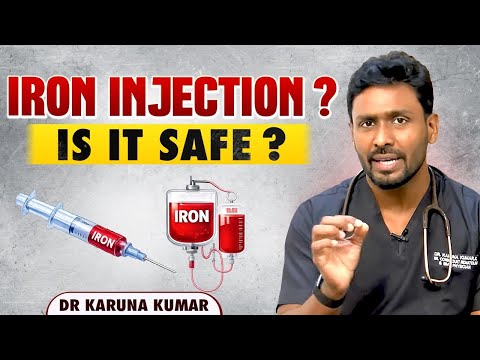
Intravenous (IV) iron infusions deliver iron directly into the bloodstream, bypassing the gut entirely. This means absorption is essentially complete and independent of digestive function. Levels can be restored more quickly, often in a single session or a small number of sessions, compared with the months of daily tablet use required for oral supplementation.
Modern IV iron formulations are generally well tolerated. While rare allergic reactions are possible, they are uncommon with contemporary preparations and can be managed in a clinical setting. One consideration is that IV iron carries a slightly higher risk of infection than oral iron and should be administered in appropriate medical facilities.
Which One Is Right for You?
The choice between tablets and infusions isn’t about which is ‘better’ in absolute terms; it’s about matching the treatment to your specific situation. Most people with straightforward iron deficiency and no absorption problems will do well with oral iron. Those with malabsorption, severe or urgent deficiency, or genuine intolerance to tablets are better served by IV iron. Your doctor will take your full medical picture into account. If you’ve been prescribed oral iron but find it difficult to tolerate, don’t simply stop. Speak to your doctor about alternatives rather than leaving your deficiency untreated.