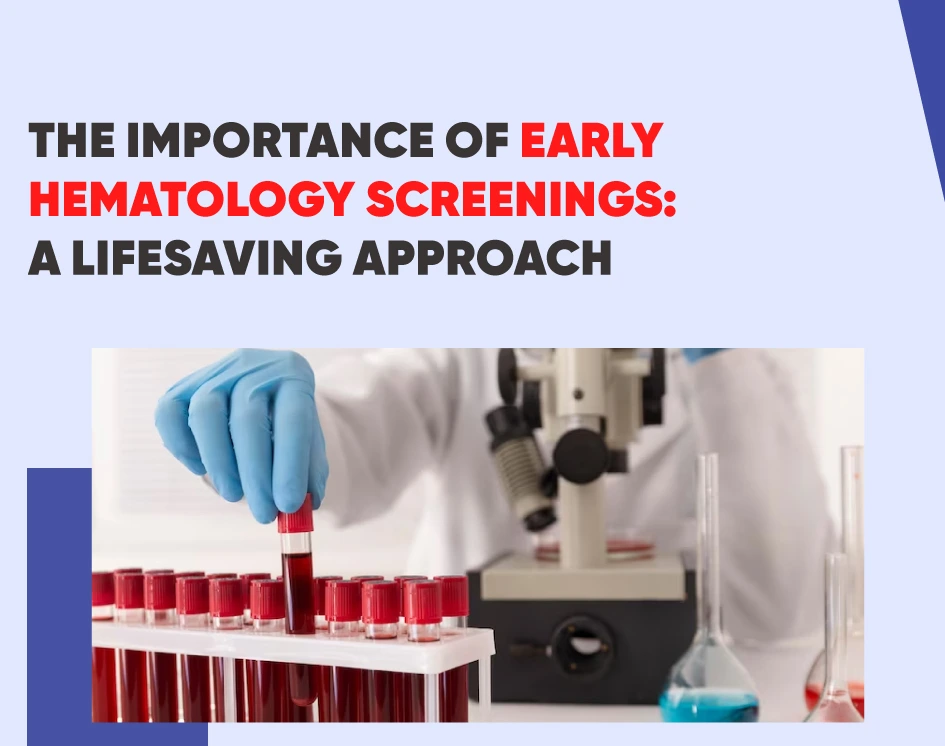


Receiving a blood test result showing a low platelet count — medically known as thrombocytopenia — can be unsettling. Platelets are tiny cell fragments in the blood responsible for clotting, and when they are too few, there is a concern about abnormal or difficult-to-stop bleeding. But the reality is that a low platelet count spans a wide spectrum of severity, and in many cases, it requires nothing more than monitoring. Here’s what you need to know.
What Is a Normal Platelet Count?
A normal platelet count ranges from approximately 150,000 to 450,000 platelets per microlitre of blood. A count below 150,000 is technically classified as thrombocytopenia, but this threshold alone doesn’t determine whether treatment is needed or how worried you should be.
Understanding the Range: When You’re Likely Safe
Many people with platelet counts mildly below the normal threshold — for example, between 100,000 and 150,000 — experience no symptoms whatsoever and face no significant bleeding risk. A count between 50,000 and 100,000 may cause increased bruising or slightly longer bleeding after a cut, but spontaneous internal bleeding is uncommon. People in this range can often live normally, though they should avoid activities with a high injury risk and may need precautions before any surgical procedures.
When Does a Low Platelet Count Become Concerning?
A count below 50,000 per microlitre generally warrants closer medical attention, especially before surgery or in the presence of active bleeding. Below 20,000, the risk of spontaneous bleeding — including in the skin, gums, or internally — increases meaningfully. Counts below 10,000 are considered a medical emergency, with a risk of life-threatening internal bleeding, including in the brain.
Common Causes of Low Platelets
Thrombocytopenia has many potential causes, grouped into three main mechanisms: the bone marrow not producing enough platelets, the body destroying platelets too quickly, or the spleen sequestering too many platelets.
Common causes include viral infections (including dengue, hepatitis, and HIV), autoimmune conditions like immune thrombocytopenic purpura (ITP), certain medications (including some antibiotics and blood thinners), chemotherapy, alcohol excess, liver disease, and pregnancy (gestational thrombocytopenia, which is typically mild and resolves after delivery).
Symptoms to Watch For
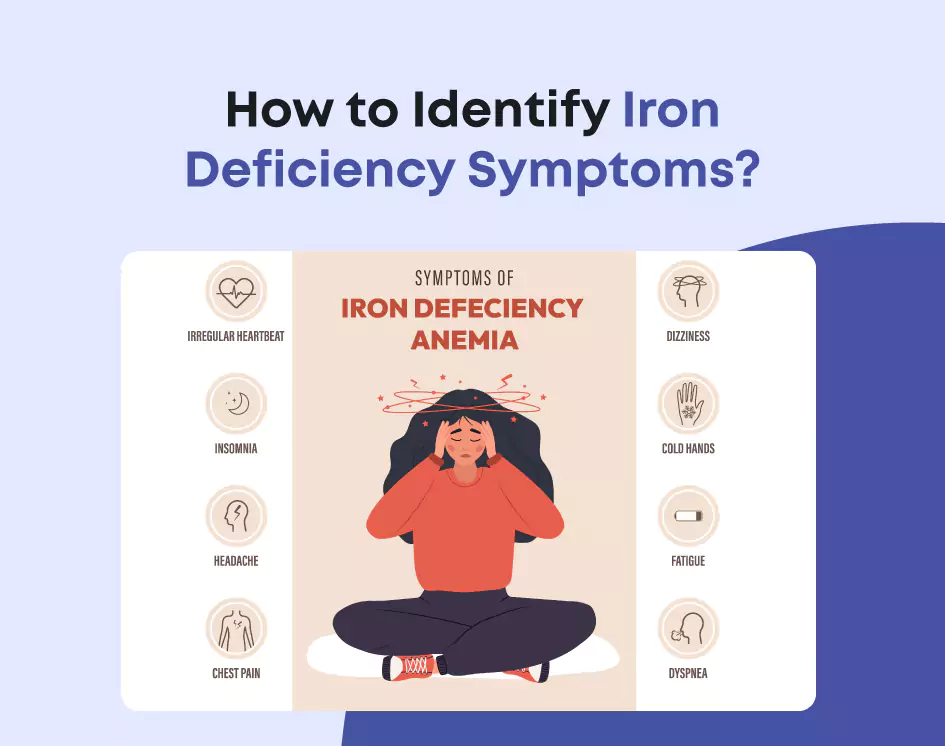
Symptoms of a significantly low platelet count can include unexplained bruising, small red or purple dots on the skin (petechiae), prolonged bleeding from cuts, nosebleeds, bleeding gums, blood in urine or stools, and in severe cases, fatigue and signs of internal bleeding. If you notice any of these, seek medical advice promptly.
Treatment and Management
Treatment depends entirely on the cause and severity. Mild cases may require only regular monitoring. Autoimmune-related thrombocytopenia is often treated with steroids or intravenous immunoglobulin. Drug-induced thrombocytopenia typically resolves when the offending medication is stopped. In severe or emergency cases, platelet transfusions may be necessary. The key is identifying and treating the underlying cause.