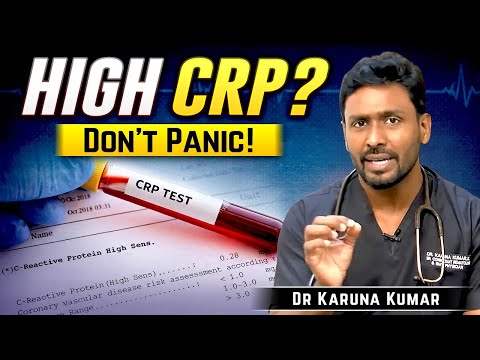

If you’ve recently had a blood test and been told your CRP level is elevated, it’s natural to feel concerned and confused. CRP, or C-reactive protein, is not a household name like cholesterol or blood sugar, but it’s an important marker doctors use to gauge what’s happening inside the body. Understanding what a high CRP means and what to do about it is an important first step.
What Is CRP?
C-reactive protein is a protein produced by the liver in response to inflammation. When the body is fighting an infection, experiencing tissue injury, or dealing with certain chronic diseases, the liver releases CRP into the bloodstream. It’s part of the immune system’s early warning and response system. Measuring CRP in the blood gives doctors a snapshot of the level of inflammation at that moment.
What Does a High CRP Mean?
A high CRP level on its own doesn’t tell you what is causing the inflammation; it simply signals that inflammation is present. There is a wide range of possible causes, which is why the result is interpreted alongside your symptoms and other test findings.
Common causes of elevated CRP include:
- Active infections bacterial, viral, or fungal
- Autoimmune and inflammatory conditions such as rheumatoid arthritis, lupus, or inflammatory bowel disease
- Recent surgery or significant physical injury
- Cardiovascular disease and atherosclerosis
- Obesity, which is associated with chronic low-grade inflammation
- Certain cancers
- Chronic kidney disease
Standard CRP vs High-Sensitivity CRP (hs-CRP)
There are two types of CRP tests commonly used. The standard CRP test detects significant inflammation and is used to diagnose and monitor infections and inflammatory conditions. The high-sensitivity CRP (hs-CRP) test can detect much lower levels of inflammation and is often used to assess cardiovascular risk. A persistently elevated hs-CRP, even at levels that wouldn’t trigger concern on a standard test, has been linked to an increased risk of heart attack and stroke in individuals who otherwise appear healthy.
How Quickly Can CRP Change?
One useful feature of CRP is its ability to respond quickly. Levels rise within a few hours of the start of inflammation and, with an effective half-life of just 6 to 8 hours, can fall back to normal rapidly once the underlying cause is resolved or treated. This makes CRP a helpful tool for monitoring how well a treatment, such as antibiotics for an infection, is working.
What Should You Do If Your CRP Is High?
A single elevated CRP result rarely tells the whole story. Your doctor will consider it alongside your symptoms, medical history, and other blood test results. Treatment focuses on addressing the underlying cause: antibiotics for bacterial infections, anti-inflammatory medications for autoimmune conditions, lifestyle changes for cardiovascular risk, and so on.
If your CRP is mildly elevated with no obvious cause, your doctor may repeat the test after a few weeks or investigate further. Lifestyle factors that can help reduce chronic low-level inflammation include regular physical activity, maintaining a healthy weight, eating a diet rich in fruits, vegetables, and whole grains, not smoking, and limiting alcohol.