
Many women often dismiss early health warning signs, assuming fatigue, weakness, or irregular periods are just part of a busy lifestyle or hormonal changes. But in some cases, these could be symptoms of something more serious like blood cancer. Recognizing blood cancer symptoms in females early can make a critical difference in diagnosis and treatment outcomes.
In this guide, we’ll break down the symptoms, explain why they are sometimes overlooked in women, and highlight when to seek professional help.
What is blood cancer?
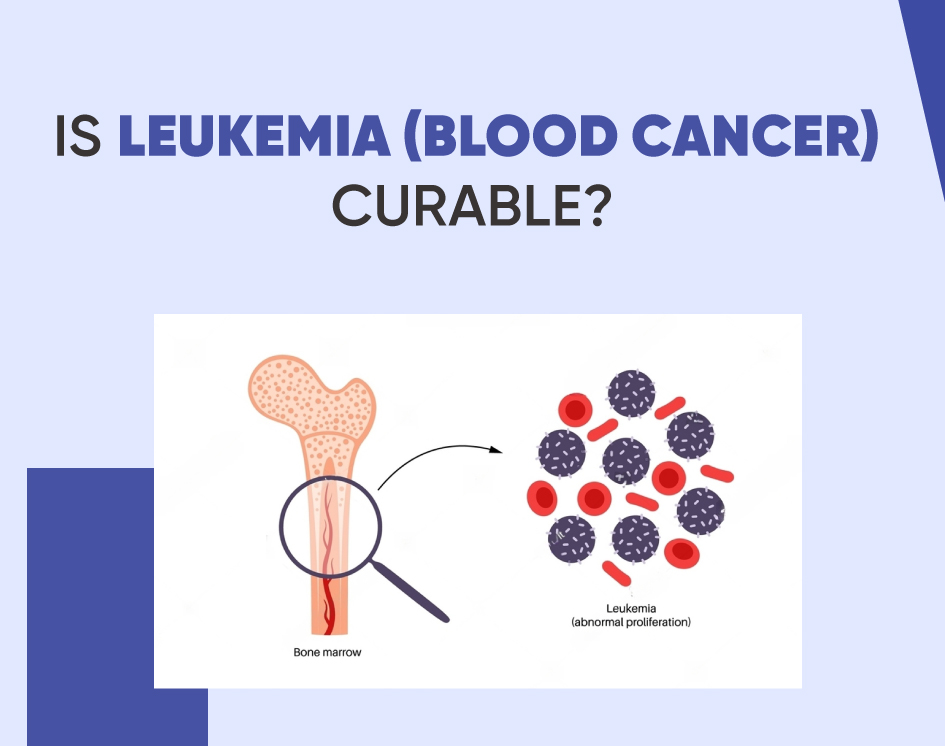
Blood cancer is a group of cancers that affect the production and function of blood cells. Most types begin in the bone marrow, where blood is produced. Abnormal blood cells interfere with normal blood function, affecting oxygen supply, immunity, and clotting.
The three main types include:
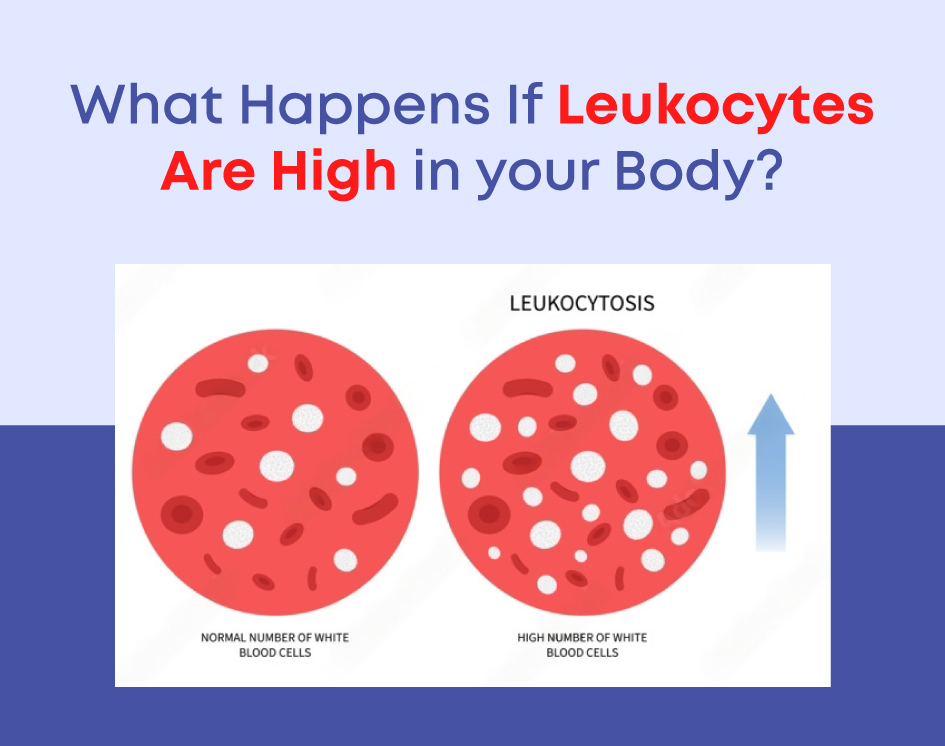
- Leukemia – Affects white blood cells.
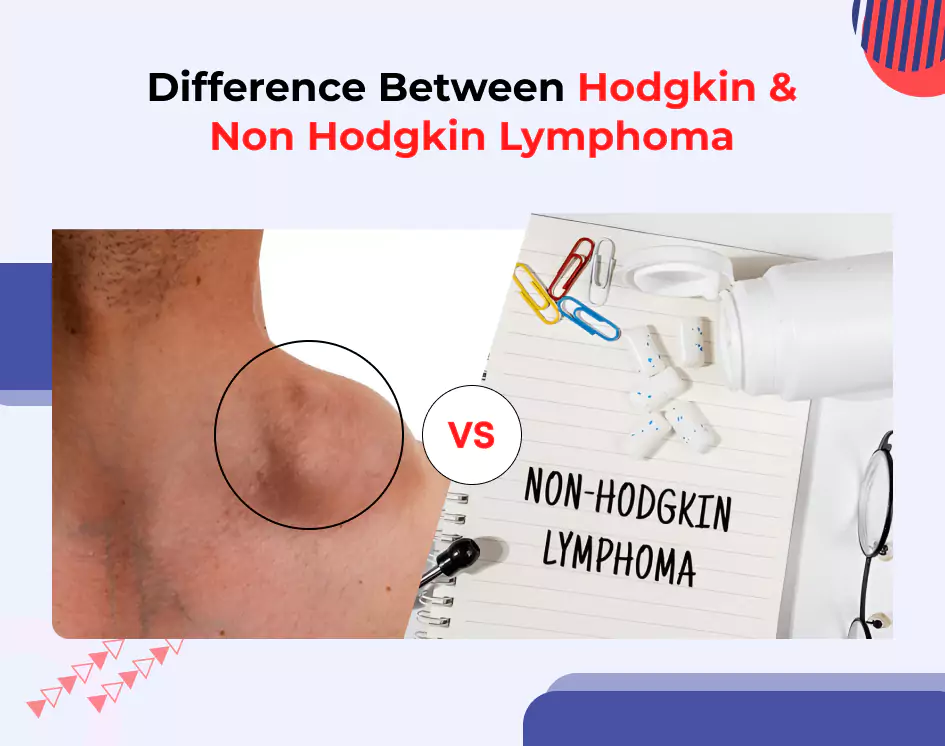
- Lymphoma – Affects the lymphatic system.
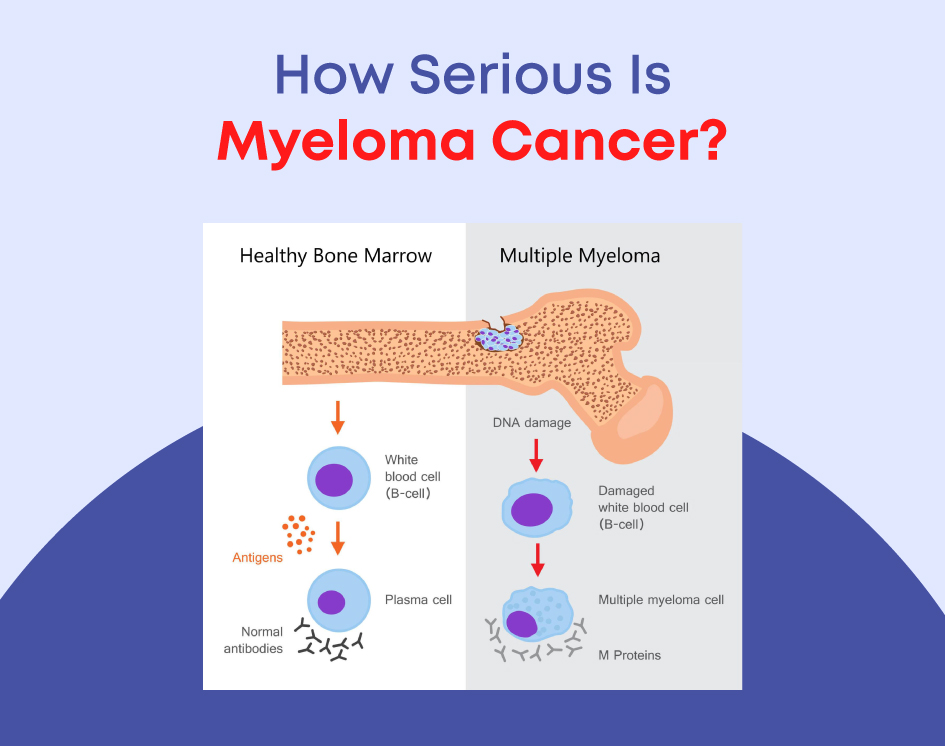
- Myeloma – Affects plasma cells in the bone marrow.
Why symptoms in females may get missed?
Blood cancer symptoms in women are often misinterpreted or masked by other health issues:
- Hormonal changes: Fatigue or irregular bleeding may be mistaken for menstrual issues.
- Anemia overlap: Low iron symptoms (common in women) can resemble blood cancer warning signs.
- Busy lifestyles: Stress, work, and family responsibilities cause many women to ignore persistent symptoms.
Common blood cancer symptoms in females
Here are the most important signs women should look out for:
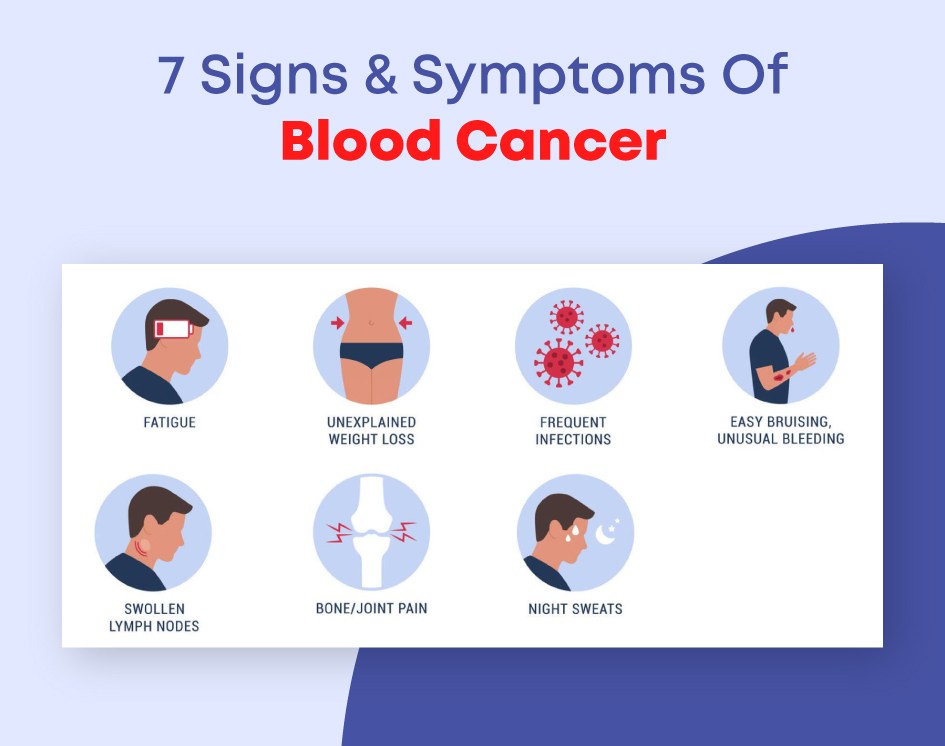
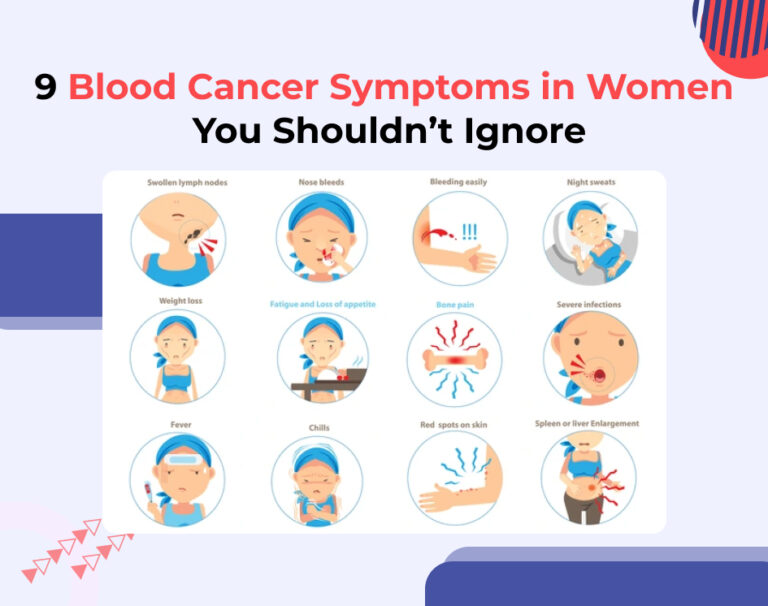
Unexplained fatigue and weakness
Persistent tiredness, even with proper rest, is one of the earliest signs. Unlike normal tiredness, this fatigue doesn’t improve with sleep.
Frequent infections or fevers
A weakened immune system caused by abnormal blood cells can make women prone to recurrent infections.
Unexplained weight loss
Losing weight without trying, especially more than 10% of body weight in 6 months, is a red flag.
Night sweats
Waking up drenched in sweat (not related to menopause or temperature changes) can signal lymphoma.
Easy bruising or bleeding
Women may notice more frequent nosebleeds, bleeding gums, or bruises that appear without injury.
Swollen lymph nodes
Painless lumps in the neck, armpits, or groin can indicate lymphoma.
Persistent bone or joint pain
Sharp or deep bone pain often in the back, ribs, or legs can occur in leukemia or myeloma.
Skin changes
Paleness due to anemia or tiny red spots on the skin (petechiae) are common warning signs.
Menstrual changes in women
Unusually heavy or irregular menstrual cycles may happen because of clotting problems linked to blood cancer.
When should women see a doctor?
Seek medical attention immediately if:
- Fatigue and weakness interfere with daily life.
- There’s unexplained weight loss or night sweats.
- Unusual bleeding, heavy periods, or frequent infections occur.
- Swollen lymph nodes persist beyond 2 weeks.
Early detection saves lives, and delaying care can make treatment more complicated.
How is blood cancer diagnosed?
Doctors may recommend:
- Blood tests – Checking white cells, red cells, and platelets.
- Bone marrow biopsy – To confirm abnormal cell growth.
- Imaging (CT, MRI, PET scans) – For staging and spread.
Treatment options for blood cancer
Treatment varies based on the type and stage of cancer:
- Chemotherapy – Strengthens the immune system to target and fight cancer.
- Targeted therapy – Medicines that attack cancer-specific changes.
- Immunotherapy – Boosts the immune system to fight cancer.
- Bone marrow transplant – Replaces damaged cells with healthy ones.
Expert Note from Dr. Karuna Kumar
“In my practice, I’ve seen many women delay medical attention, assuming their symptoms are due to stress, anemia, or hormonal changes. The truth is, early diagnosis of blood cancer drastically improves treatment success. If symptoms persist, it’s always better to get evaluated rather than wait.”
Prevention & Awareness
While there’s no guaranteed prevention, women can:
- Follow a balanced diet that includes plenty of fruits, vegetables, and iron-rich foods.
- Avoid smoking and limit alcohol.
- Get regular blood tests and health checkups.
- Pay attention to changes in energy levels, skin, or bleeding patterns.
Conclusion
Blood cancer symptoms in females often overlap with common health problems, making them easy to ignore. But paying attention to persistent fatigue, unusual bleeding, weight loss, or swollen lymph nodes can be life-saving. If you notice these warning signs, consult a hematologist promptly for accurate diagnosis and timely treatment.