
By Dr Karuna Kumar, MD DNB Hematologist
Iron deficiency is one of the most common nutritional deficiencies worldwide, yet it often goes unnoticed. While fatigue and weakness are widely known symptoms, iron deficiency can also show up in unexpected and unusual ways that people rarely associate with low iron levels.
Recognizing these early, lesser-known signs can help prevent anemia and its long-term health complications. In this blog, we break down five weird but medically recognized signs of iron deficiency and explain when it’s time to seek medical advice.
What is iron deficiency?
Iron is essential for producing hemoglobin; the protein in red blood cells responsible for carrying oxygen throughout the body. When iron levels drop, oxygen delivery reduces, affecting multiple organs and systems.
Iron deficiency can occur due to:
- Poor dietary intake
- Blood loss
- Poor absorption
- Increased iron needs (growth, pregnancy)
If untreated, it may progress to iron-deficiency anemia.
1. Craving non-food items (pica)
One of the strangest signs of iron deficiency is pica, a condition where people crave non-edible substances.
Common cravings include:
- Ice
- Clay or soil
- Chalk
- Paper
Chewing ice (pagophagia) is especially common and often overlooked. While the exact reason is unclear, studies link pica strongly with low iron levels.
Persistent cravings for non-food items should never be ignored.
2. Hair thinning and excessive hair fall
Iron plays a critical role in hair growth and follicle health. When iron stores drop, the body prioritizes vital organs over hair, leading to:
- Increased hair shedding
- Thinning hair
- Slow hair regrowth
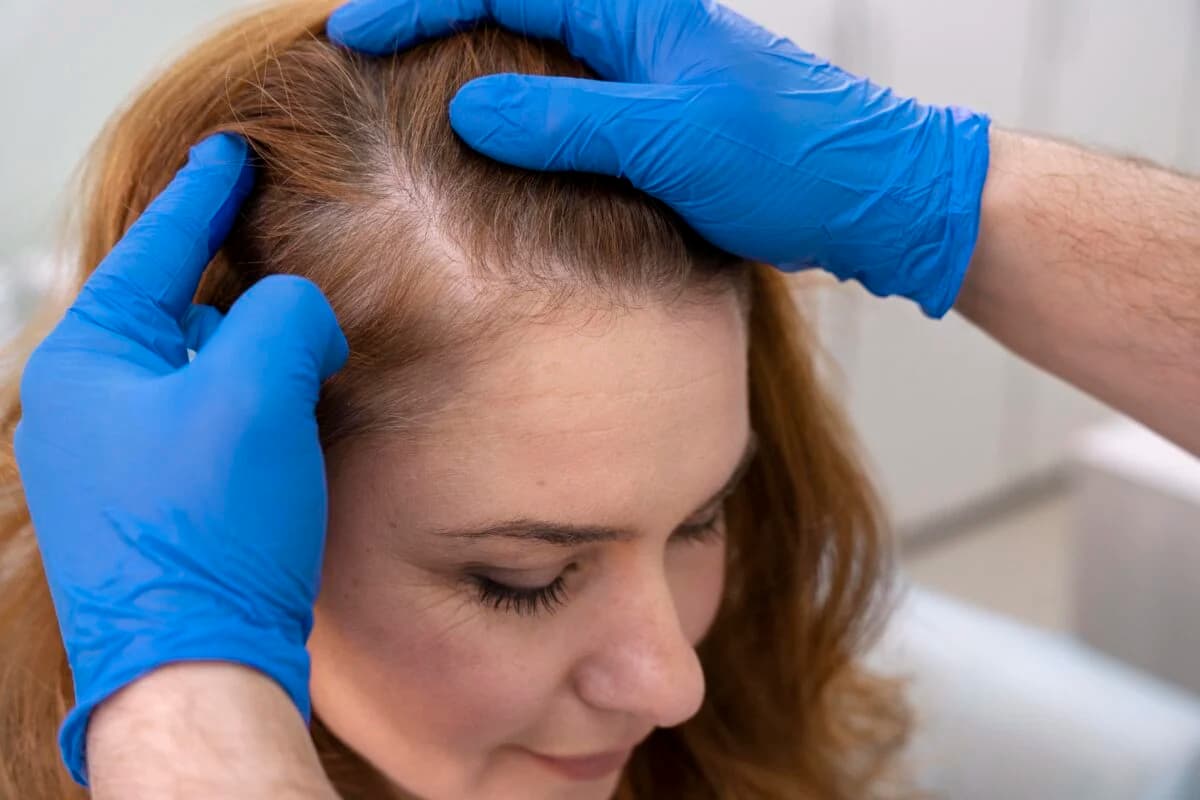
This type of hair loss is usually diffuse, affecting the entire scalp rather than patches.
Important note: Hair fall caused by iron deficiency is reversible with proper treatment.
3. Unusual shortness of breath
Feeling breathless during simple activities like climbing stairs or walking short distances can be a subtle red flag.
Low iron means:
- Reduced oxygen transport
- Faster heart rate to compensate
- Early fatigue and breathlessness
Many people mistake this for poor fitness or stress, delaying diagnosis.
4. Pale skin, lips, or inner eyelids
Iron deficiency reduces hemoglobin levels, which affects blood color and circulation.
Signs to look for:
- Pale skin tone
- Light-colored lips
- Pale inner lower eyelids
This symptom is often easier to spot in natural light and can be an early visual indicator of anemia.
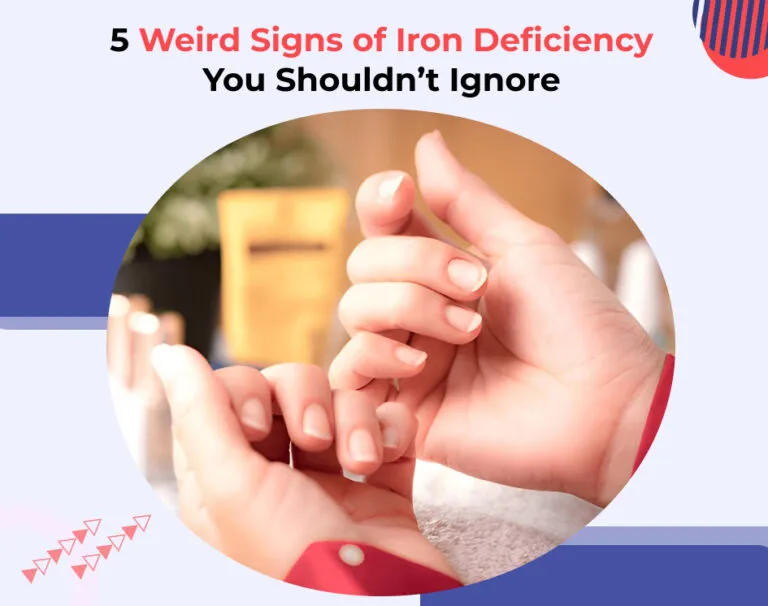
5. Brittle nails or spoon-shaped nails
Changes in nail appearance can reflect internal nutritional deficiencies.
Iron deficiency may cause:
- Thin, brittle nails
- Vertical ridges
- Spoon-shaped nails (koilonychia)
These nail changes usually appear gradually and signal prolonged low iron levels.
Who is at higher risk of iron deficiency?
- Women with heavy menstrual bleeding
- Pregnant women
- Vegetarians and vegans
- Children and adolescents
- People with digestive disorders
Regular screening is especially important for high-risk groups.
When should you see a doctor?
If you notice multiple symptoms or persistent changes, medical evaluation is essential.
A doctor may recommend:
- Blood tests (hemoglobin, ferritin levels)
- Dietary changes
- Iron supplements (only if required)
Avoid self-medicating, as excess iron can be harmful.
How is iron deficiency treated?
Treatment depends on the cause and severity:
- Iron-rich diet (heme and non-heme sources)
- Oral iron supplements
- Treating underlying causes like blood loss
Early intervention leads to faster recovery and prevents complications.
Conclusion
Iron deficiency doesn’t always announce itself with obvious symptoms. From ice cravings to nail changes, your body often sends subtle warning signs long before serious anemia develops. Recognizing these unusual indicators early can make a significant difference in diagnosis, treatment, and overall health outcomes.
If these signs sound familiar, a simple blood test can provide clarity and timely action can restore energy, focus, and well-being.